Mechanically, keto works by constraining carbohydrate so strongly that your body shifts fuel use toward fat and ketones. That shift is not a moral victory, and it's not required for everyone who wants the benefits of carbohydrate reduction.
Plenty of people do best with low-carb, not keto: fewer starches and added sugars, more protein and non-starchy vegetables, and enough carbohydrate to support training, sleep, and social life. Keto, in contrast, is less forgiving—small choices like a healthy smoothie or a handful of crackers can easily push you out of the intended range.
It helps to be equally clear about who should slow down and get individualized guidance before going very low carb. If you're pregnant or breastfeeding, have a history of disordered eating, are underweight, or you're managing a complex health situation, the aggressive restriction of keto may be a poor trade‑off.
Even for otherwise healthy adults, keto is not set it and forget it. Appetite can drop quickly, fiber can drop unintentionally, and hydration and minerals become more important. Low‑carb patterns can be safe and useful, but they work best when you treat them like a nutrition system—not a food group purge.
One reason low‑carb approaches feel powerful is that they naturally reduce ultra‑processed, hyper‑palatable combinations of refined starch and added sugar. The mistake is replacing those foods with carb-free products that keep the same snacking rhythm.
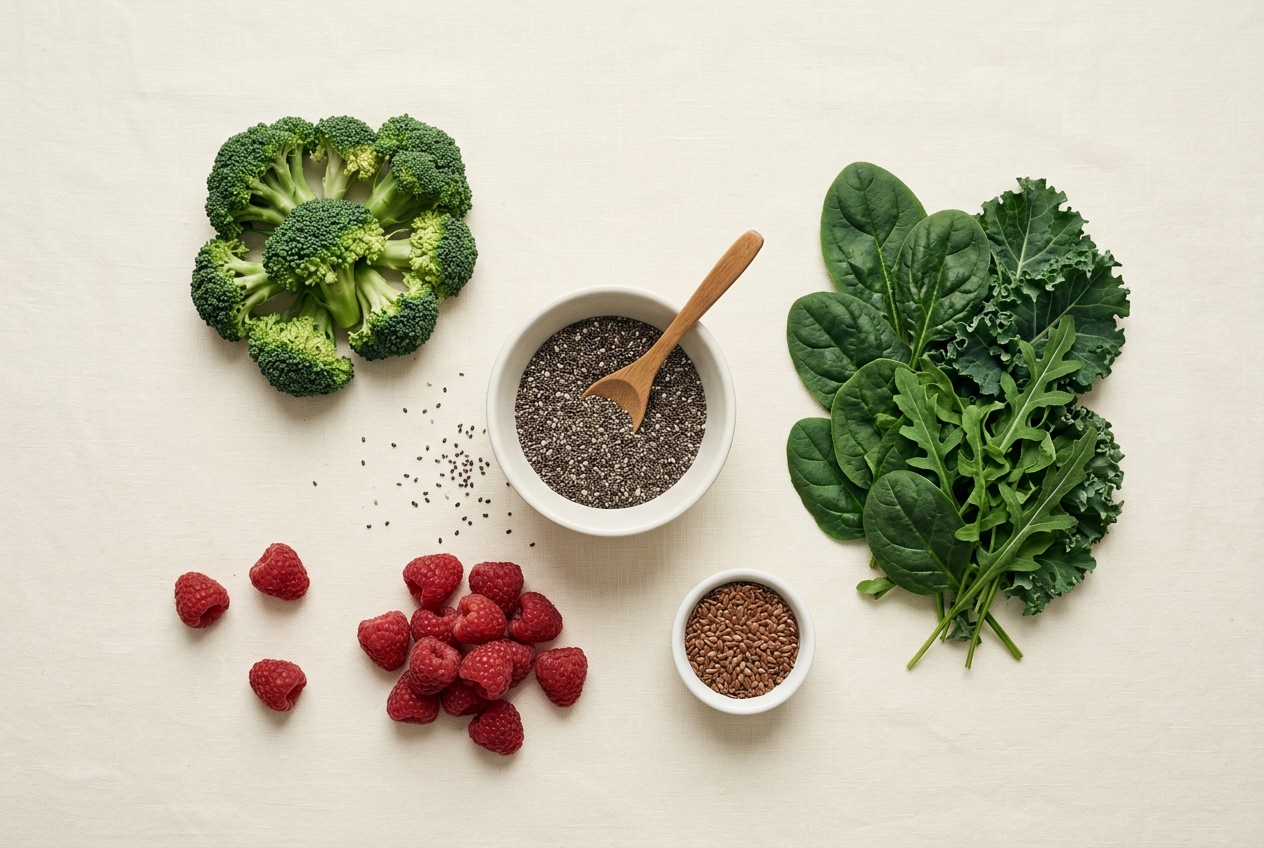
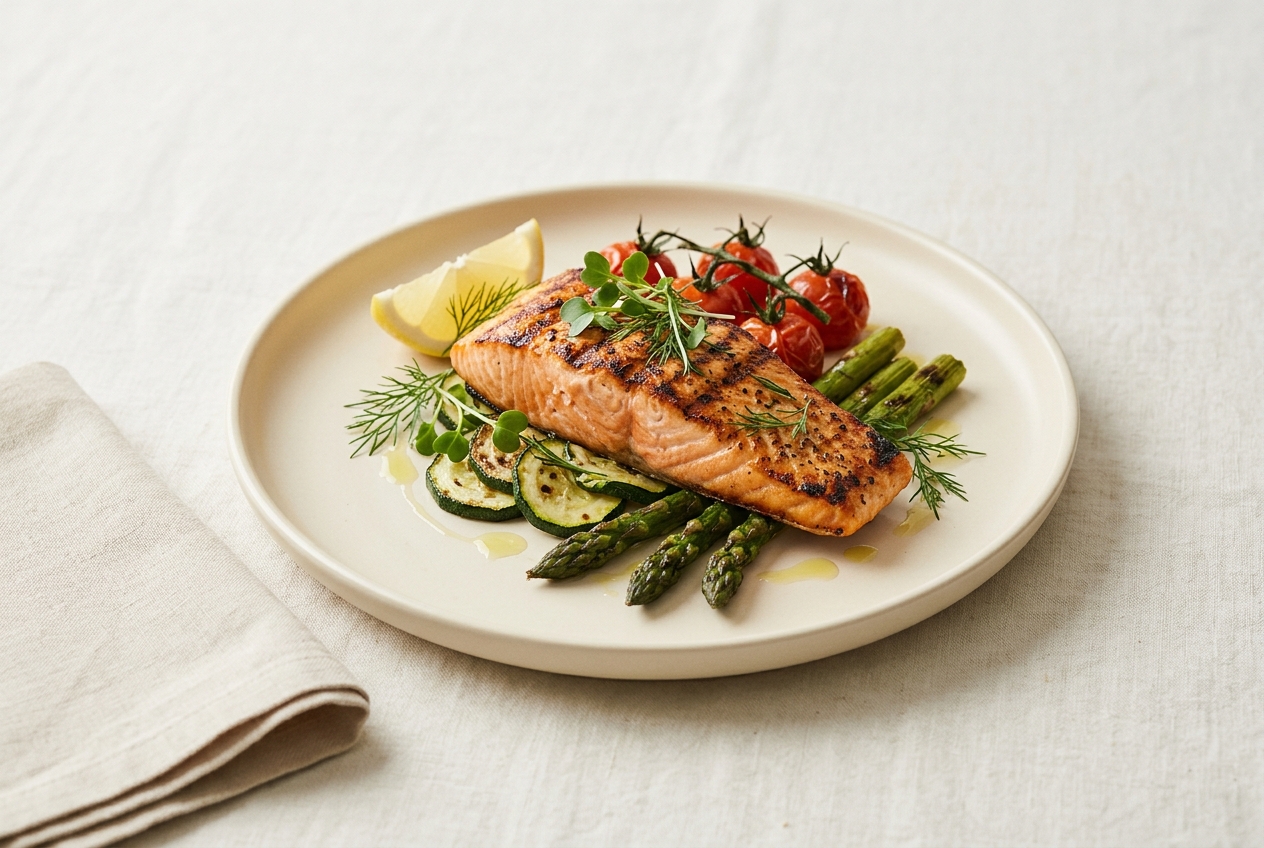
For both low carb and keto, the foundation should still look like food: eggs, seafood, poultry, tofu or tempeh if you prefer plant‑forward, plain Greek yogurt, nuts and seeds, olives and olive oil, avocado, and a wide spread of non‑starchy vegetables.
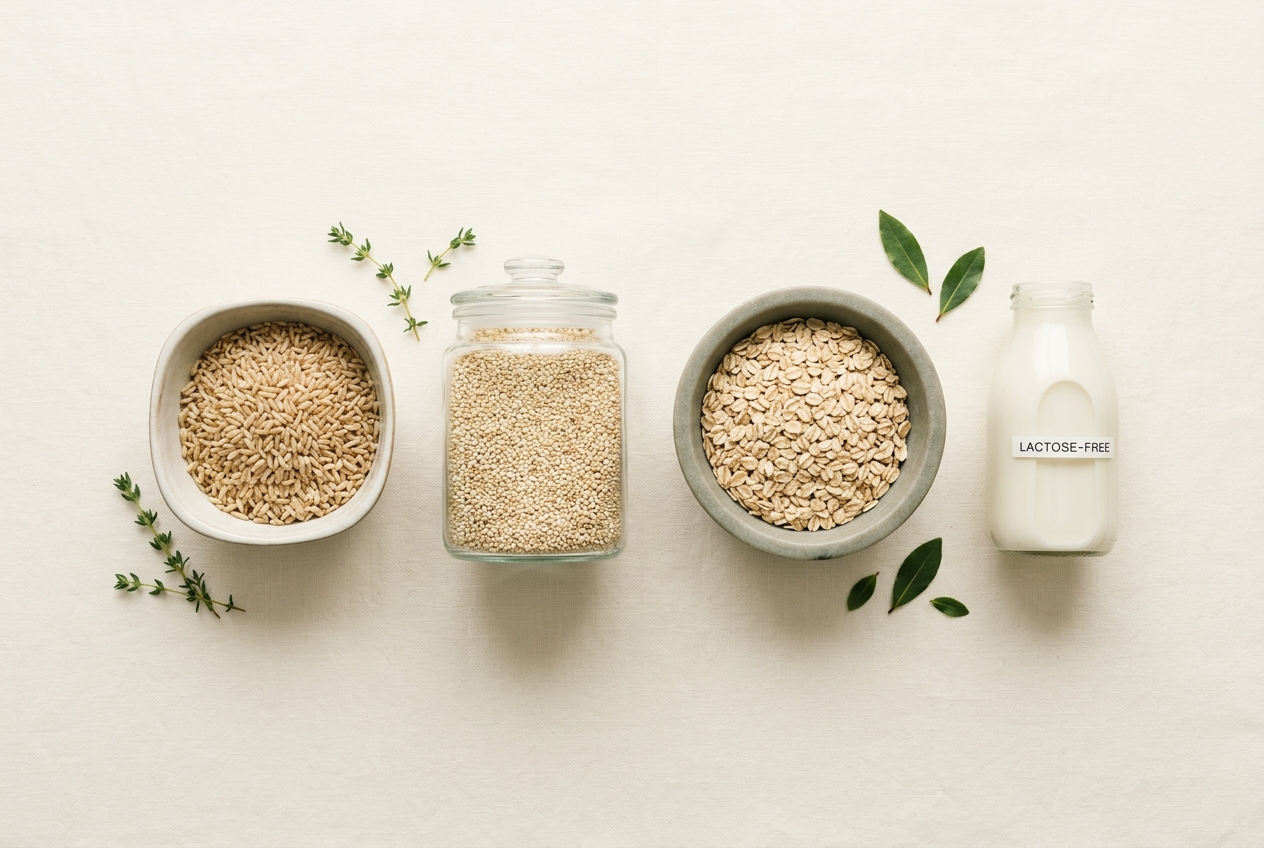
When you add carbohydrate, make it count: berries over juice, beans or lentils in measured portions over a pile of chips, and intact whole grains if included over flour‑based snacks.
Protein is your stabilizer across every version of carbohydrate restriction. It supports muscle retention during fat loss and keeps meals satisfying when you cut starch. Most people do better when protein is distributed across the day—think a protein anchor at breakfast and lunch, not a salad and coffee morning followed by a ravenous evening.