Skip to content

Best Sleep Tech and Gadgets

mm James Thornton 10 min read

Sleep Tech That Actually Works

Reviewed by James Thornton Updated

At a Glance

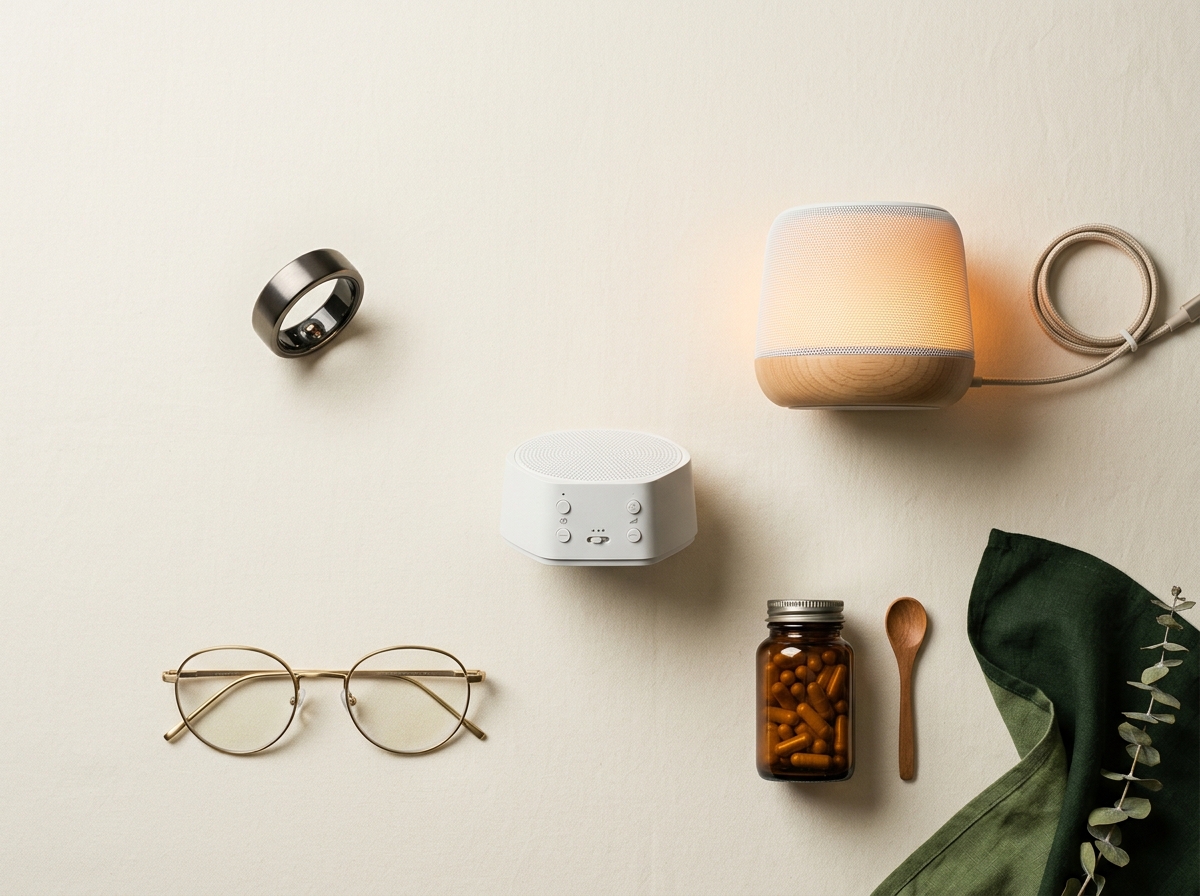
  • Best Overall Oura Ring 5 All-night comfort and multi-day battery make adherence easy; trend-focused insights you'll actually use.
  • Best Routine Device Hatch Restore 2 Replaces your phone alarm with light and sound cues for a bedtime-to-morning routine in one device.
  • Best Sound Masking LectroFan EVO 22 non-looping options and set-and-forget reliability help avoid the repeat problem that wakes some people.
  • Best Blue Light Felix Gray Glasses Easy to adopt and a clear cue that your day is winding down; filters 50% of all blue light.

Key Takeaways

  • Light is the simplest sleep lever most people ignore—blue light blocking glasses help when screens creep late.
  • The best sleep tech changes your environment immediately, removes recurring failures, or gives you a reliable feedback loop.
  • Oura Ring 5 is the top tracker for comfort and multi-day battery; Hatch Restore 2 is the best bedside routine device.
  • LectroFan EVO offers 22 non-looping sounds for stable noise masking; Felix Gray glasses filter 50% of blue light.
  • Tracking is only worth it if it changes decisions—wear it every night and connect cause and effect.
  • Avoid buying a tracker but changing nothing, using sleep sounds on a phone that still pings, or treating sleep stages like a report card.

Understanding Sleep Tech Value

If you're building a smarter wind-down routine in 2026, start with the simplest lever that most of us ignore: light. A good pair of blue light blocking glasses can make evenings feel calmer—especially if your work and social life keep you on screens after sunset—because the eye's circadian light pathway is especially sensitive around 480 nm, right in the blue range.

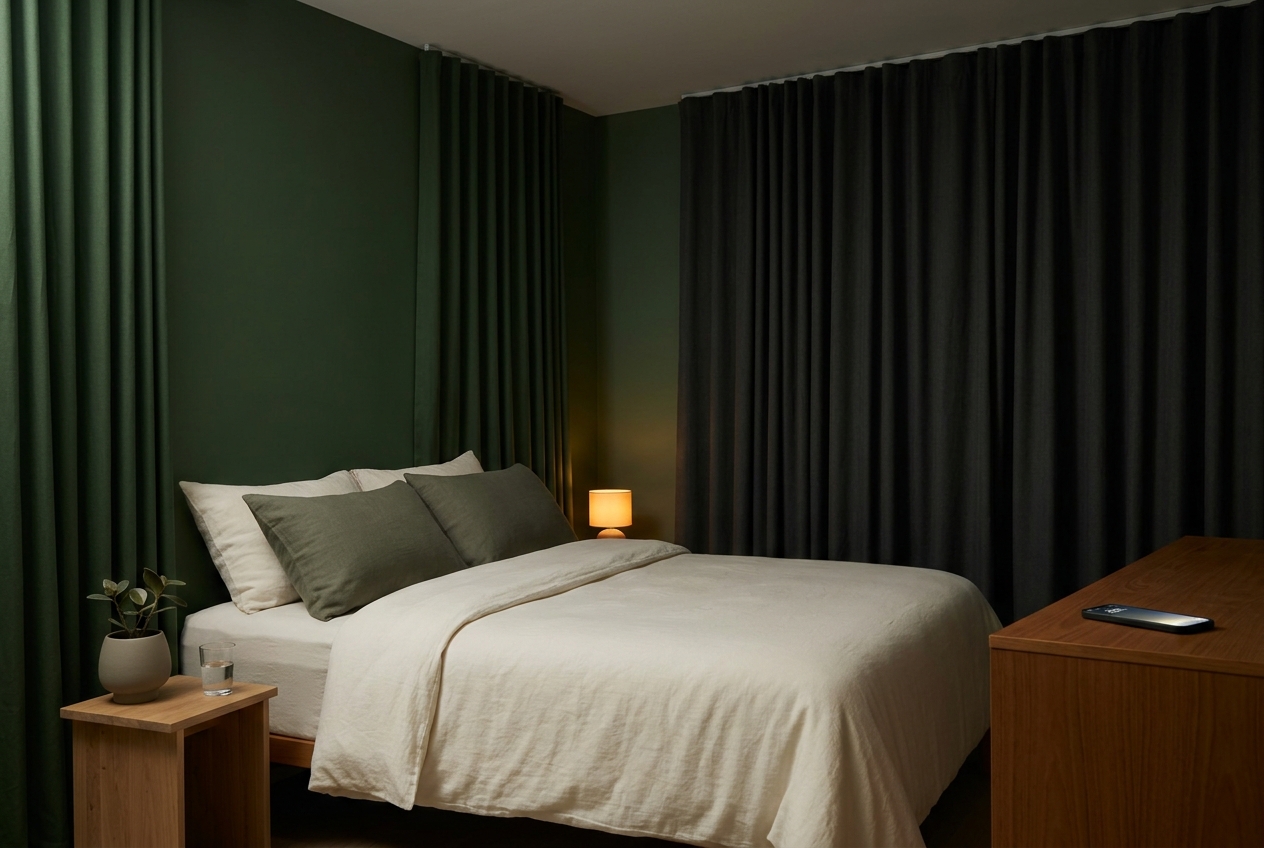
That said, blue light is only one piece of the sleep puzzle. For many people, the bigger wins come from reducing overall brightness at night, making your bedroom more consistent (sound, temperature, darkness), and using tech that reduces friction rather than adding more to track. The best devices feel like guardrails: they nudge you toward better inputs and help you notice patterns, but they don't turn bedtime into a second job.

In practice, sleep tech is most useful when it does one of three things: it changes your environment in a way your body can feel immediately (think: steady sound masking or a gentle sunrise), it removes a recurring point of failure (phone alarms, late-night scrolling, inconsistent bedtime cues), or it gives you a reliable feedback loop so you can test changes and keep what works. Where people get burned is buying tools that promise precision but deliver noise—especially when sleep stages become the focus instead of daytime energy and consistency.

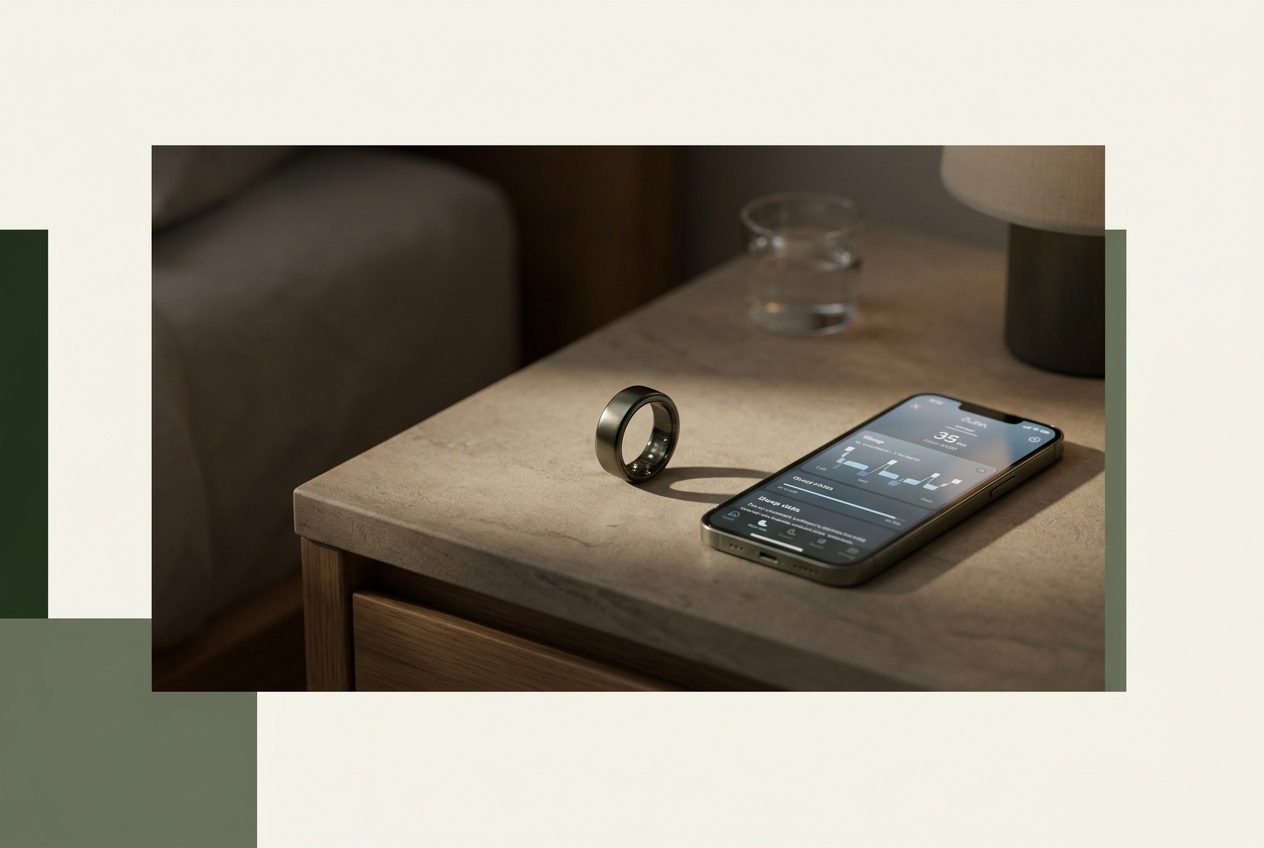
When comparing the best sleep trackers we tested in day-to-day life (rings, screen-free straps, and under-mattress pads), the biggest differentiator isn't whether a device can label REM. It's whether it produces consistent trends you can act on. Oura Ring 5's comfort and multi-day battery make adherence easy, which is the unglamorous secret behind better insights.

Environmental tech is where you can often get the fastest subjective improvement. Sound masking, in particular, is underappreciated because it doesn't feel health-techy—but it's one of the few tools that can reduce awakenings triggered by unpredictable noise. Among top rated white noise machines, you'll see two philosophies: digital noise generation (like LectroFan EVO's non-looping library) and mechanical sound (like the Yogasleep Dohm Classic, which uses a real fan motor to create its signature sound without digital audio).

Light-based wakeups are the other high-impact category, especially for people who wake groggy or rely on multiple alarms. Hatch Restore 2 is the most routine-forward choice because it pairs an evening unwind with a sunrise alarm. But if you want a sunrise device without a content ecosystem, Philips' SmartSleep Wake-up Light HF3520/60 is a classic alternative.

Where do blue light blocking glasses fit into all of this? Think of them as a friction reducer, not a magic shield. The research landscape on blue-light filtering lenses and sleep is mixed, in part because blue light exposure is about intensity, timing, and spectrum—not just whether your lenses have a label. If you keep the same high-brightness phone use right up to bed, glasses alone may not move the needle much.

But if you pair them with a real cutoff—lower brightness, warmer display settings, calmer content, and a firm stopping point—they can support that behavior. A straightforward benchmark comes from the American Academy of Sleep Medicine, which has recommended avoiding blue light from handheld electronics 30–60 minutes before bedtime. In other words: glasses can help, but a time boundary still matters.


Oura Ring 5 offers multi-day battery life and seamless all-night comfort, making it easier to build consistent tracking habits without charging fatigue.

One clear winner per category, ranked by overall impact for most adults in 2026.

Oura Ring 5

Oura Ring 5

Best Overall

If you want data you'll actually use, Oura's newest ring is hard to beat for all-night comfort and a low-friction routine. Starts at $399 with 6–9 day battery life.

4.6/5
  • Wear it without thinking
  • long battery life for a wearable
  • trend-focused insights that make it easier to spot what helps or hurts recovery
  • Ongoing membership cost to unlock the full app
  • ring comfort is individual
Hatch Restore 2

Hatch Restore 2

Best Routine

Replaces your phone alarm with light and sound cues. If mornings are your weak point or you want a wind-down routine without scrolling, Restore 2 is a simple win.

4.4/5
  • Real bedtime-to-morning routine in one device
  • gentle wake-up reduces alarm shock
  • easy customization
  • Best content sits behind Hatch+ subscription ($4.99/month or $49.99/year)
  • some don't want another subscription
LectroFan EVO

LectroFan EVO

Best Sound

If your sleep is fragile because of noise, a purpose-built white noise machine can be more effective than a phone app. EVO offers 22 truly non-looping options.

4.5/5
  • Set-and-forget reliability
  • no app required
  • non-looping approach helps avoid the repeat problem that wakes some people
  • One more item on the nightstand
  • need to experiment to find your noise profile
Felix Gray Glasses

Felix Gray Glasses

Best Blue Light

If you do most of your reading on a device, glasses can be a practical behavioral barrier. Felix Gray filters 50% of all blue light and almost 90% of the most impactful ranges.

4.2/5
  • Easy to adopt
  • reduces perceived harshness and glare
  • clear cue that your day is winding down
  • Benefit varies by person and what else you change
  • market is messy—filtration differs by brand
Nordic Naturals Ultimate Omega

Nordic Naturals Ultimate Omega

Best Supplement

Sleep isn't only about gadgets. If you're looking at fish oil supplements omega 3, Ultimate Omega is a common benchmark with 1280 mg total omega-3s per daily serving.

4.3/5
  • Clearly labeled omega-3 amount
  • widely used
  • higher-concentration fish oil
  • Capsules aren't for everyone
  • quality varies across the supplement market

Athletic and High-Training Alternatives

Find Your Sleep Tech Match

Answer two quick questions to see which option suits your situation best.

What's your biggest sleep challenge?
How do you feel about wearables?

All Options

  • Oura Ring 5

    All-night comfort and multi-day battery make it easy to track trends without thinking about charging every night.

  • Hatch Restore 2

    A bedside device that replaces your phone alarm with light and sound cues—no wearable needed.

  • LectroFan EVO

    Purpose-built white noise machine with 22 non-looping sounds—set and forget, no app required.

  • Withings Sleep Analyzer

    Sits under the mattress and syncs via Wi-Fi—tracking without wearing anything or remembering to charge.

Building Your Sleep Stack

Choose one tool for each failure point without overbuying—here's the order that makes the most sense.

A Simple Sleep Stack Approach

A simple way to build your sleep stack without overbuying is to choose one tool for each failure point, in this order: First, remove the phone from the bed (sunrise clock or a basic alarm away from reach). Second, stabilize the sound environment (white noise if noise wakes you). Third, stabilize the light environment (dimmer room lighting, then glasses if screens are unavoidable).

Fourth, add tracking only if you'll use it to test changes (caffeine timing, alcohol, training load, late meals, room temperature). Fifth, tighten nutrition fundamentals if recovery feels sluggish (food first; supplements only when they actually fill a gap). The main trade-off across this whole category is simple: the more a device promises (more metrics, more coaching, more insights), the more it asks from you in cost, attention, and habit change.

For most busy professionals, the sweet spot is one reliable tracker (or none), one environmental stabilizer (sound), and one morning cue (light). Add blue light glasses if you're a heavy evening screen user, and treat supplements as optional support—never the foundation. Common mistakes I see with sleep tech are surprisingly consistent: buying a tracker but changing nothing, using a sleep sound on a phone that still delivers notifications, setting a sunrise light too bright too fast, and treating sleep stages like a report card.

A healthier mindset is to treat these devices like instrumentation. Use a tracker to test one variable per week, keep what helps, and ignore the rest. On the supplement side, keep your standards higher than your marketing tolerance. If you use fish oil supplements omega 3, look past the front label's fish oil 1000 mg style claims and find the actual EPA and DHA totals, because those are the active omega-3s most people are trying to get.

Also consider independent verification: programs and marks such as USP verification (the USP Verified mark has a public product list) or IFOS (a well-known fish oil certification program launched in 2004) can be helpful signals of quality control. They don't guarantee a personal outcome, but they do reduce the odds you're paying for an under-dosed or poorly handled oil.

Five-Step Sleep Stack Priority

  • Remove the phone from bed—use a sunrise clock or basic alarm away from reach
  • Stabilize sound environment with white noise if noise wakes you
  • Stabilize light environment—dimmer room lighting, then glasses if screens unavoidable
  • Add tracking only if you'll use it to test changes like caffeine timing or training load
  • Tighten nutrition fundamentals if recovery feels sluggish—food first, supplements only when they fill a gap

The Bottom Line

Sleep tech delivers the most value when it changes your environment immediately, removes a recurring failure, or gives you a reliable feedback loop. Oura Ring 5 is the best overall tracker for comfort and adherence; Hatch Restore 2 is the best routine device; LectroFan EVO is the best sound masking tool; Felix Gray glasses are the best blue light option for heavy screen users. Build your stack around failure points, not marketing promises, and treat tracking as instrumentation—test one variable per week, keep what helps, and ignore the rest.

Explore More
Medical Disclaimer This is educational information and isn't a substitute for personal medical advice. If you have persistent sleep problems, loud snoring, or excessive daytime sleepiness, it's worth talking with a qualified health professional while you use tech to improve the basics you can control.

The Role of Light in Sleep Quality

Where do blue light blocking glasses fit into all of this? Think of them as a friction reducer, not a magic shield. The research landscape on blue-light filtering lenses and sleep is mixed, in part because blue light exposure is about intensity, timing, and spectrum—not just whether your lenses have a label. If you keep the same high-brightness phone use right up to bed, glasses alone may not move the needle much. But if you pair them with a real cutoff—lower brightness, warmer display settings, calmer content, and a firm stopping point—they can support that behavior. A straightforward benchmark comes from the American Academy of Sleep Medicine, which has recommended avoiding blue light from handheld electronics 30–60 minutes before bedtime. In other words: glasses can help, but a time boundary still matters. Felix Gray is popular because the company claims its lenses filter 50% of all blue light and almost 90% of the most impactful ranges, while also cutting glare. The lenses are also designed for durability versus simple coatings. The sleep benefit varies by person and by what else you change—brightness, timing, content—and the market is messy, with blue-light meaning very different filtration depending on the brand. But for heavy evening screen users, a good pair of glasses can be an easy-to-adopt cue that your day is winding down.
Explore more evidence-based advice on sleep, nutrition, and healthy habits from our editorial team.

mm

James Thornton

Sleep Tech Editor

A certified wellness coach and former competitive athlete who explores sustainable health habits through personal experimentation and scientific literature. James focuses on making evidence-based fitness and nutrition accessible to busy professionals seeking long-term lifestyle changes.

Get new articles by email

No spam — only new material on this topic.

You can unsubscribe at any time.