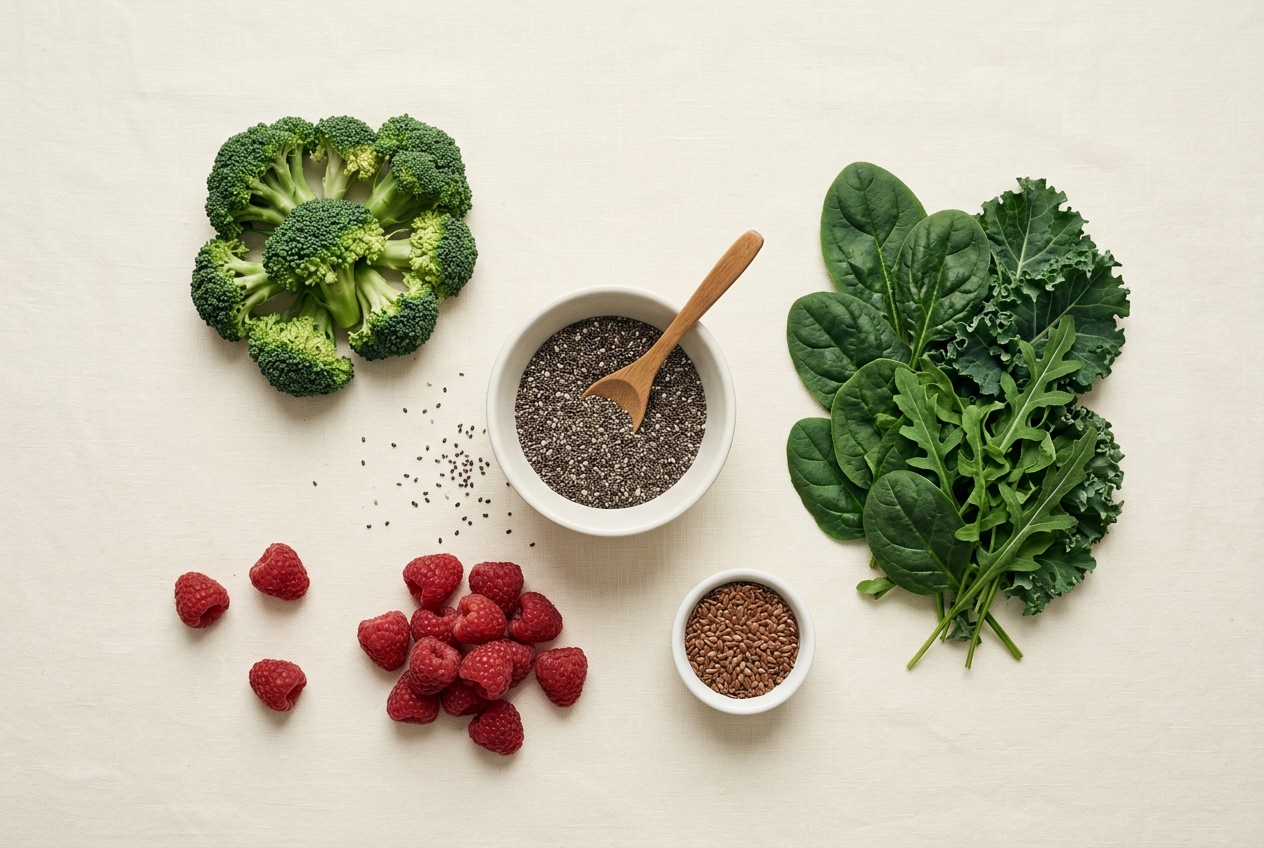
A few guardrails keep the plan genuinely health-supportive instead of just healthy-sounding. Fiber is a big one: the National Academies adequate intake level is commonly stated as 25 g per day for adult women and 38 g per day for adult men, with slightly lower targets after age 50. If you are far below that, increase gradually and drink more water to keep digestion comfortable.
Added sugars are another reality check: the American Heart Association commonly cited upper limits are about 25 g per day for women and 36 g per day for men. You do not need to eliminate sugar completely to eat in an anti-inflammatory way, but these numbers are a helpful reality check—many sweetened coffees, healthy granolas, and flavored yogurts can push you over the line before lunch.
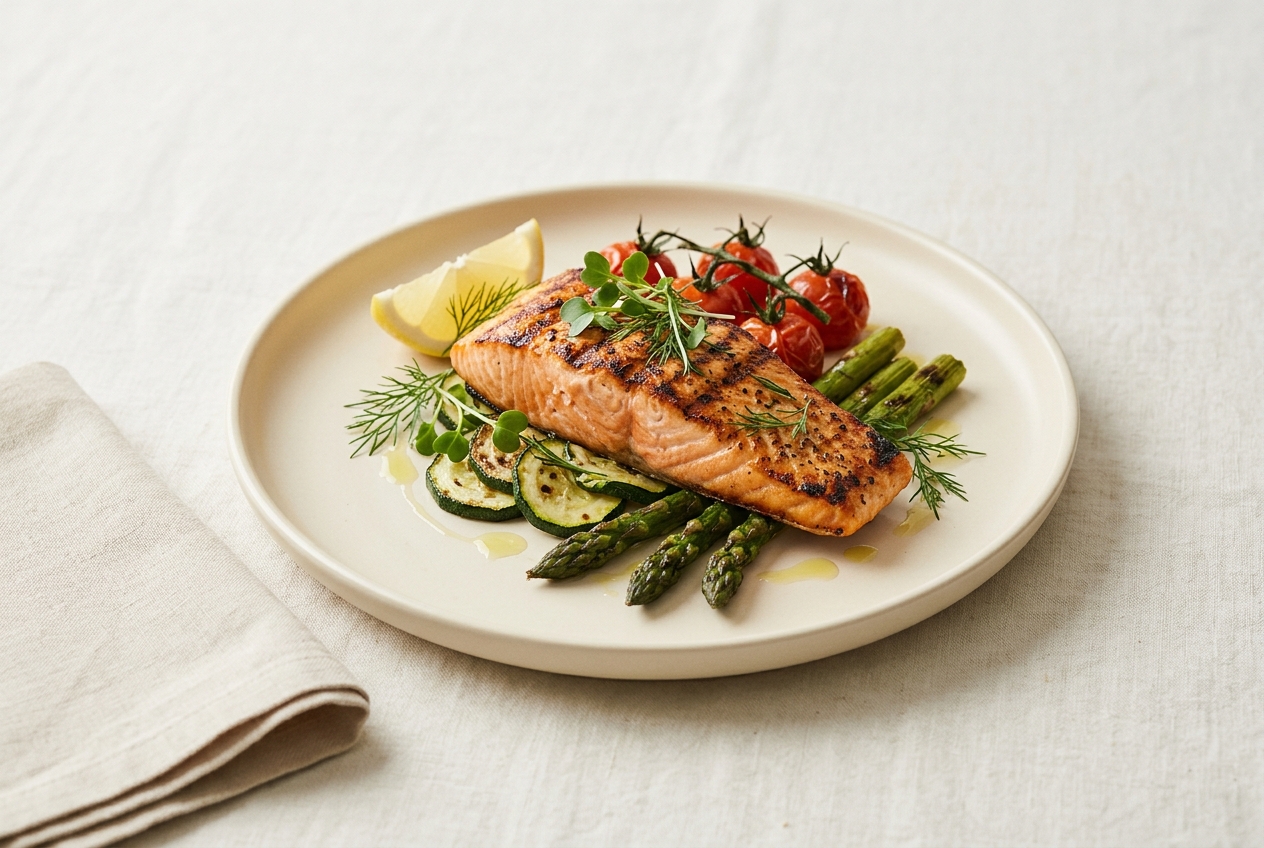
It is also worth being honest about common mistakes. One is assuming gluten-free or plant-based automatically means anti-inflammatory; plenty of gluten-free packaged foods are still refined and high in added sugars, and plenty of plant-based products are still ultra-processed. Another is under-eating protein and then relying on snacks to compensate.
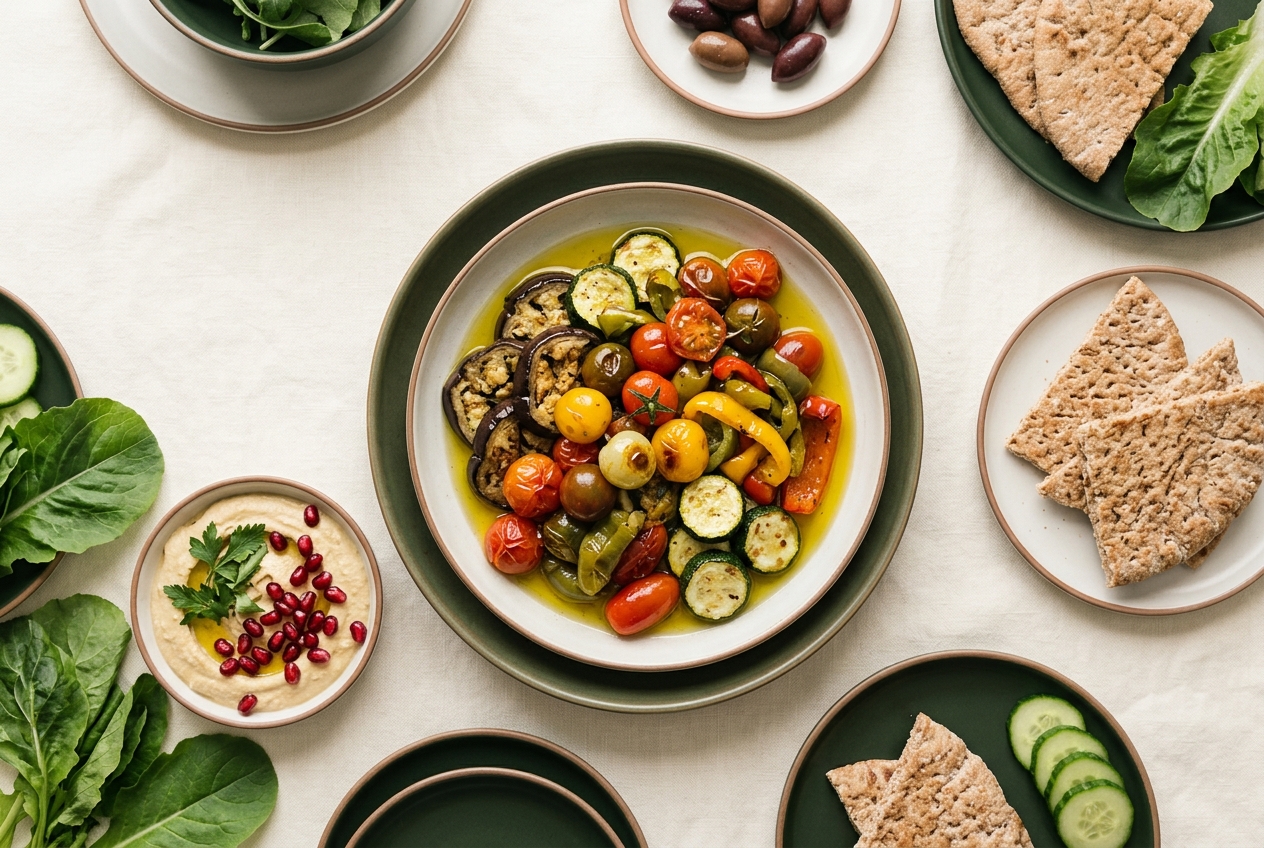
A third mistake is going too low-sodium too fast without a plan for flavor, which often backfires. And finally, many people focus so hard on what they are avoiding that they forget the simplest anti-inflammatory upgrade: adding two more cups of vegetables across the day and one more serving of beans or lentils several times per week.
Special situations deserve nuance. If you are vegetarian or vegan, anti-inflammatory eating can be exceptionally strong—if you emphasize beans, lentils, soy foods, nuts, seeds, and a wide range of produce, and you do not let refined snacks become the backbone of your calories. If you are lactose-intolerant, choose lactose-free dairy or fortified alternatives and keep calcium- and protein-rich foods in the mix.
If you train intensely, carbohydrates are not the enemy; the quality and timing matter more than blanket restriction. And if you are managing a health condition or taking medication that requires dietary consistency—for example, some anticoagulant medicines and vitamin K intake—it is smart to coordinate major changes with your healthcare professional.