Skip to content

Nutrient-Rich Foods Guides

mm James Thornton 10 min read

Why Mineral-Dense Eating Matters

Key Takeaways

  • Adult magnesium needs range from 310 to 420 mg/day; roughly 30 to 40 percent of dietary magnesium is absorbed.
  • Calcium targets are 1,000 mg/day for adults 19–50 and 1,200 mg/day for women 51+ and adults over 70.
  • Zinc RDAs are 11 mg/day for men and 8 mg/day for women; the upper limit is 40 mg/day.
  • Iron needs are 8 mg/day for men and postmenopausal women, 18 mg/day for women 19–50; upper limit is 45 mg/day.
  • Pairing plant iron sources with vitamin C-rich foods improves non-heme iron absorption.
  • Consistency with mineral-rich meals matters more than occasional mega doses or perfection on a single day.

Magnesium: The Quiet Workhorse

Magnesium deserves special attention because it's both common and quietly under-consumed. The NIH Office of Dietary Supplements lists adult magnesium RDAs ranging from 310 to 420 mg per day depending on age and sex.

For men, that's 400 mg/day ages 19–30 and 420 mg/day for men 31 and older. For women, 310 mg/day ages 19–30 and 320 mg/day for women 31 and up.

Just as important, ODS notes that roughly 30 to 40 percent of the magnesium you consume from food and beverages is typically absorbed—another reason consistency beats occasional mega days.

Magnesium helps regulate nerve signaling, supports normal neurotransmission, and participates in the cellular energy chemistry your brain runs on all day.

The strongest promise you can responsibly make is not that magnesium is a shortcut, but that an adequate intake supports the normal systems behind focus, mood steadiness, and sleep quality.

Roasted pumpkin seeds deliver dense magnesium in a small handful. Chia seeds are easy to add to smoothies or overnight oats. Dry-roasted almonds work as a snack or topping.

Cooked spinach is simple as a side or folded into eggs and soups. Cooked black beans are convenient for bowls and tacos. Shelled edamame provides fast protein-plus-minerals for rice bowls or stir-fries.

Calcium Beyond the Glass

Muscle contraction, nerve transmission, and signaling inside cells all depend on adequate calcium

Calcium Targets and Food Patterns

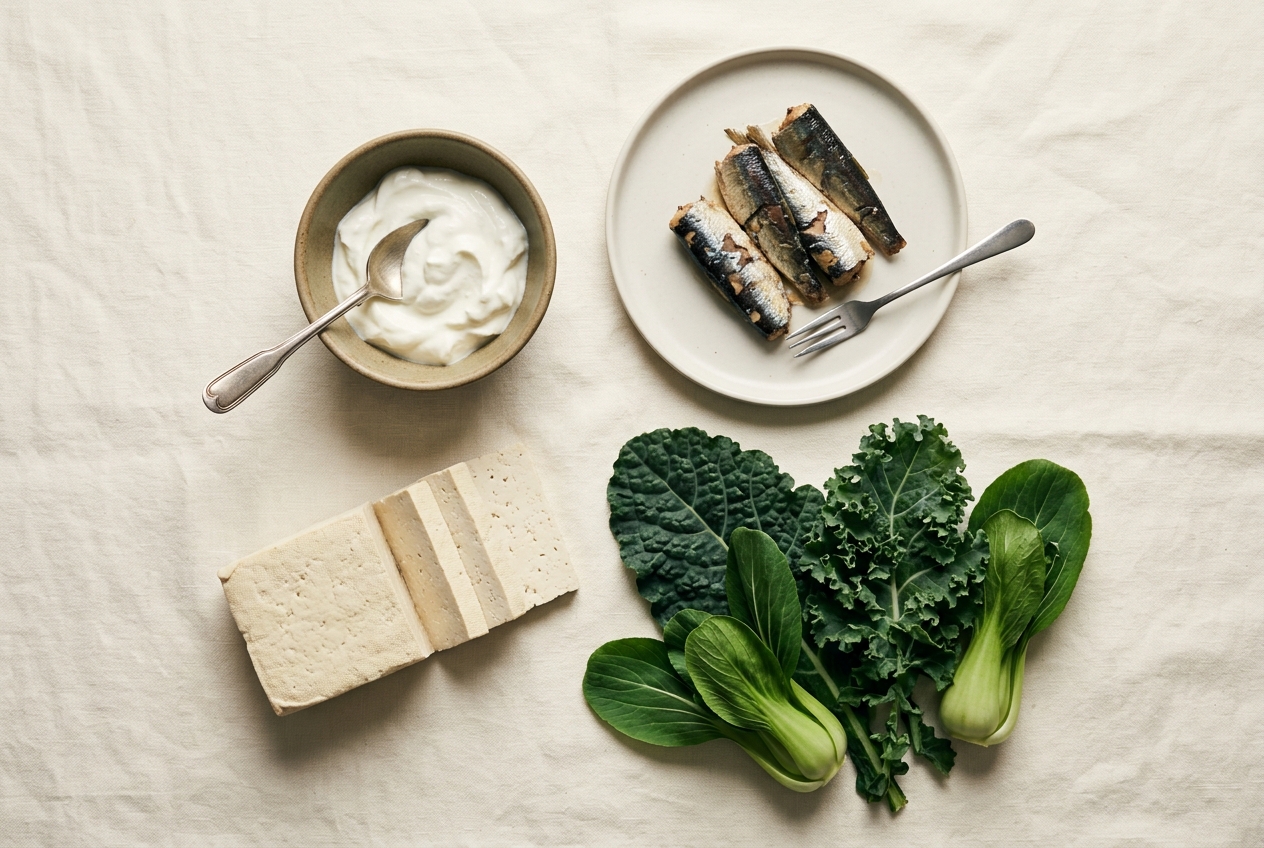
Calcium is the mineral most people associate with bones, but its real job list includes muscle contraction, nerve transmission, and signaling inside cells. The calcium target also changes with age and sex: ODS lists 1,000 mg/day for adults ages 19–50, and 1,200 mg/day for women 51 and older and for adults over 70. When people ask for a calcium rich foods list, I like to start with two categories: foods that naturally package calcium with protein (often more filling and meal-friendly) and foods that deliver calcium without relying on dairy. Greek yogurt, milk, and cheese are familiar anchors. Canned sardines or salmon with bones are a hidden-in-plain-sight calcium option for seafood eaters. Calcium-set tofu can be a reliable plant-based staple. Leafy greens like kale and bok choy help round out the pattern. The most common mistake is trying to fix calcium with a single large dose. Spreading calcium-rich foods across meals usually feels better in the gut and fits the way people actually eat.

Greek yogurt, canned sardines, calcium-set tofu, and leafy greens deliver calcium in different meal contexts

Everyday Magnesium-Rich Foods

Here's a magnesium rich foods list built from everyday, widely available options—each one easy to repeat, not just admire. These items scatter easily across meals without demanding special prep.

  • Roasted pumpkin seeds (pepitas): dense magnesium in a small handful; scatter over salads, oats, or yogurt for a no-cook upgrade.
  • Chia seeds: easy to add to smoothies or overnight oats; they bring magnesium plus fiber that helps meals feel more stable.
  • Dry-roasted almonds: a portable option that works as a snack, a topping, or blended into sauces and dressings.
  • Cooked spinach: simple as a side or folded into eggs, soups, and pasta; it's one of the easiest green magnesium anchors.
  • Cooked black beans: convenient for bowls, tacos, and salads; they also pair naturally with vitamin C-rich produce.
  • Shelled edamame: fast protein-plus-minerals; keep frozen on hand and add to rice bowls or stir-fries.

The key is consistency. One day of spinach won't change much; a month of spinach is just what I do changes your baseline.

Zinc and Iron: Bioavailability Matters

These two minerals require smart pairing and prep to maximize absorption from plant and animal sources

Zinc: Quiet but Essential

Zinc is the mineral behind a long list of quiet processes: enzymes, protein and DNA synthesis, and normal immune function. ODS lists zinc RDAs of 11 mg/day for adult men and 8 mg/day for adult women.

It also sets an adult tolerable upper intake level of 40 mg/day. If you've been searching for foods high in zinc, you'll see the usual animal-food leaders—oysters, beef, and other meats—for omnivores.

But there are solid plant options too: pumpkin seeds, beans, lentils, and fortified cereals can contribute meaningfully. The catch is bioavailability—zinc from plant foods can be harder to absorb because of compounds like phytates.

That's not a reason to fear plant foods; it's a reason to use smart prep and pairing: soaking and rinsing beans, choosing leavened whole-grain breads over flatbreads made without fermentation, and rotating in a few different zinc sources rather than leaning on one.

Iron is where nutrition gets personal fast, because needs vary sharply by life stage. ODS lists an iron RDA of 8 mg/day for adult men and postmenopausal women, and 18 mg/day for women ages 19–50; the adult upper limit for iron is 45 mg/day.

Iron comes in two dietary forms. Heme iron from animal foods is typically absorbed more efficiently. Non-heme iron from plant foods and fortified foods is more sensitive to the context of the meal.

If you're aiming for foods high in iron from plant sources—lentils, beans, tofu, spinach, and fortified cereals—pair them with vitamin C-rich foods like citrus, bell peppers, strawberries, or tomatoes to improve absorption.

The common mistake is adding iron just in case. Unlike magnesium, iron is not a mineral to supplement casually; too much can cause gastrointestinal distress and other issues, and it's best handled with individualized guidance.


Smart Pairing for Absorption

A Five-Step Plate Pattern

Simple assembly rules that make mineral density the default without spreadsheets or meal prep drama

Repeatable Meal Structure

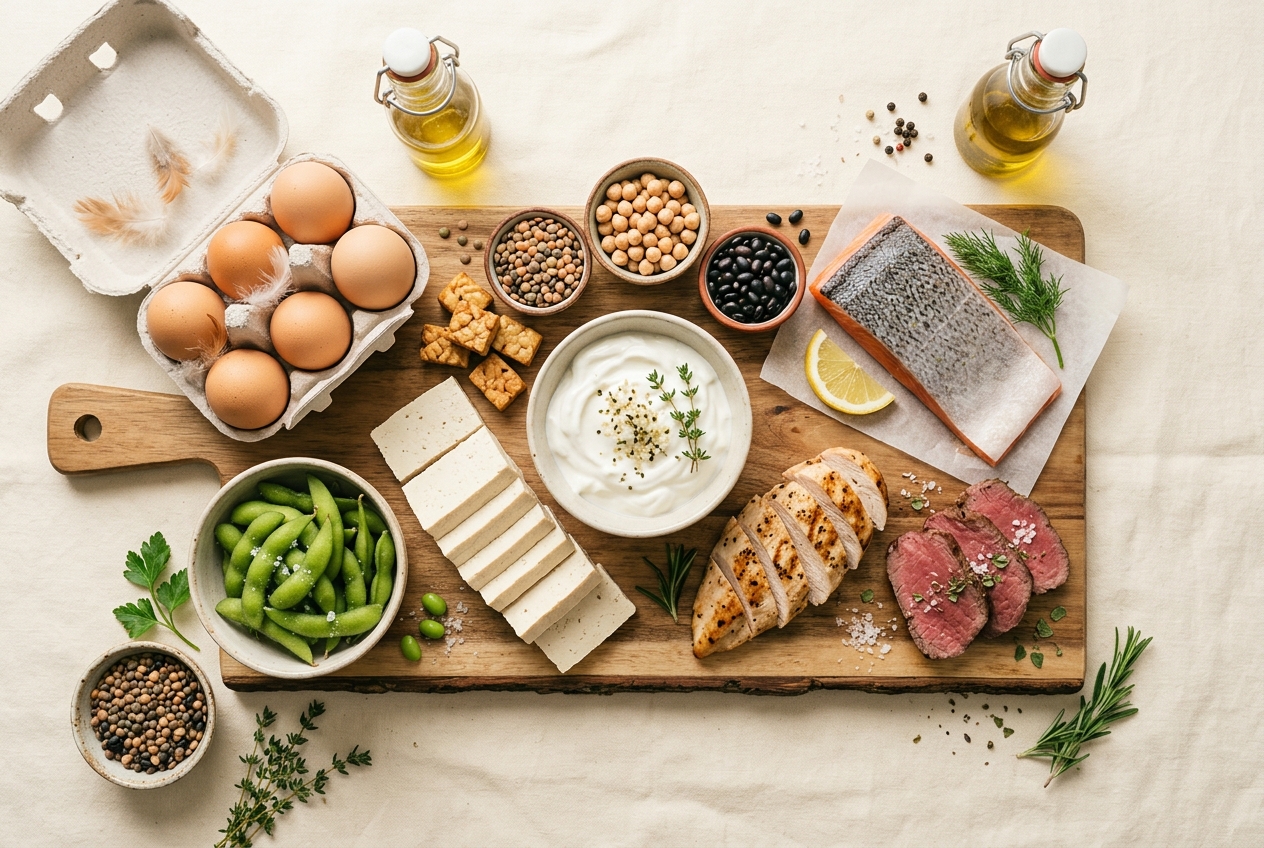
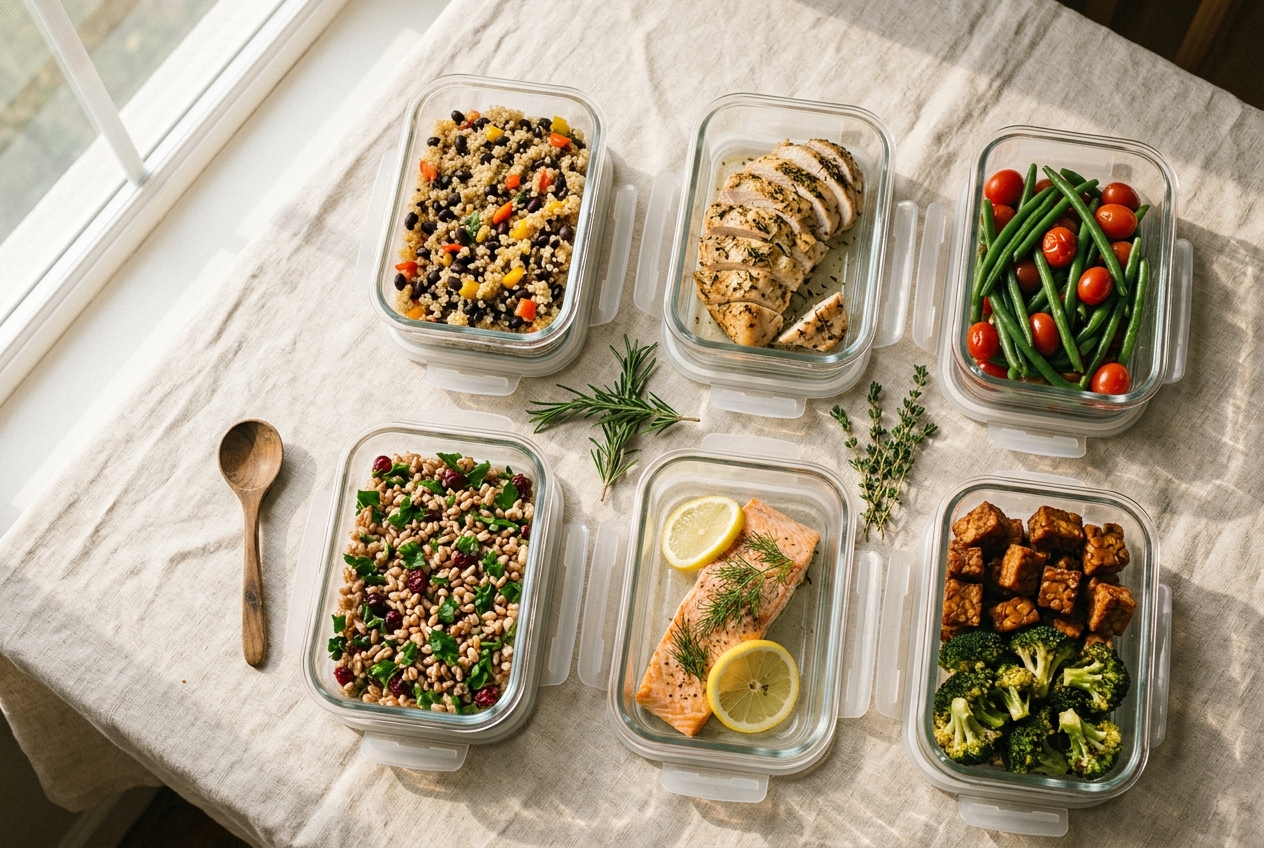
If you want a simple, repeatable way to build mineral density without obsessing, use a five-step plate pattern. It works whether you cook nightly or live off quick assembly meals. Start with a mineral base: leafy greens, beans or lentils, or a whole grain like oats or brown rice. Add a protein that naturally carries minerals: dairy, tofu, fish, poultry, meat, or a double portion of legumes. Include a crunch or topper that concentrates magnesium and zinc: pumpkin seeds, chia, almonds, or peanut butter. Add a vitamin C produce element when plant iron is in the meal: berries, citrus, bell pepper, tomato, or kiwi. Finish with a consistency rule: pick two default breakfasts and two default lunches you can repeat all week. That consistency rule matters because it makes the whole system resilient. One day of spinach won't change much; a month of spinach is just what I do changes your baseline.

Eight Low-Friction Upgrades

  • Add pepitas to salads, soups, or grain bowls
  • Stir chia seeds into oats or smoothies
  • Keep frozen spinach and edamame ready
  • Rotate beans: black beans one week, lentils the next
  • Choose yogurt or milk as your default protein snack
  • Try calcium-set tofu in stir-fries or blended sauces
  • Pair plant-iron meals with strawberries, citrus, or bell pepper
  • Aim for two fish meals per week or a consistent omega-3 routine

Omega-3 and Fish Oil

Omega-3 fats are the out-of-category guest in this mineral conversation, but they belong here because seafood is often a double win: it can contribute magnesium, zinc, and sometimes calcium when you eat the bones, while also providing long-chain omega-3s.

FDA-aligned seafood guidance commonly references at least 8 ounces of seafood per week (less for children) as part of a healthy eating pattern. If you don't eat fish, or you're inconsistent with seafood, fish oil supplements are the option most people consider.

The key is expectations: supplements can help you cover a gap, but they don't recreate the full nutritional package of seafood. The strengths: they're convenient, they can be a practical tool for people who dislike fish, and they make it easier to be consistent with omega-3 intake.

The weaknesses: quality varies (oxidation and freshness matter), they can cause fishy aftertaste or burping in some people, and they can interact with medications that affect bleeding risk.

For safety boundaries, a widely cited FDA position is that total intake of EPA and DHA combined should not exceed 3 g/day, with no more than 2 g/day coming from supplements.

In real life, that means you want to read the label for EPA and DHA specifically (not just fish oil in mg), and you want to avoid stacking multiple omega-3 products without realizing it.

mm

James Thornton

Nutrition Editor

A certified wellness coach and former competitive athlete who explores sustainable health habits through personal experimentation and scientific literature. James focuses on making evidence-based fitness and nutrition accessible to busy professionals seeking long-term lifestyle changes.

Get new articles by email

No spam — only new material on this topic.

You can unsubscribe at any time.