Skip to content

Keto and Low-Carb Diet Guides

mm Dr. Sarah Mitchell 10 min read

What Low-Carb Really Means

Essential Insights

  • Low-carb and keto overlap but differ: keto requires under 50 grams of carbohydrate daily to trigger ketosis, while low-carb is more flexible.
  • Protein at every meal stabilizes appetite and supports muscle retention; distribute it across the day rather than loading it at dinner.
  • Fiber and minerals are make-or-break variables: emphasize chia, flax, broccoli, spinach, and potassium-rich foods to avoid constipation and low energy.
  • The most effective approach is the one that keeps carbs low enough for your goal and food satisfying enough to repeat through busy weeks.
  • Prep components, not elaborate recipes: cook two proteins, chop vegetables, prepare one versatile sauce, and keep an emergency meal ready.
  • Common mistakes include going low-carb and low-calorie by accident, ignoring salt and fluids, under-vegetabling, and treating net carbs as a free pass.

Keto Versus Low-Carb

Mechanically, keto works by constraining carbohydrate so strongly that your body shifts fuel use toward fat and ketones. That shift is not a moral victory, and it's not required for everyone who wants the benefits of carbohydrate reduction.

Plenty of people do best with low-carb, not keto: fewer starches and added sugars, more protein and non-starchy vegetables, and enough carbohydrate to support training, sleep, and social life. Keto, in contrast, is less forgiving—small choices like a healthy smoothie or a handful of crackers can easily push you out of the intended range.

It helps to be equally clear about who should slow down and get individualized guidance before going very low carb. If you're pregnant or breastfeeding, have a history of disordered eating, are underweight, or you're managing a complex health situation, the aggressive restriction of keto may be a poor trade‑off.

Even for otherwise healthy adults, keto is not set it and forget it. Appetite can drop quickly, fiber can drop unintentionally, and hydration and minerals become more important. Low‑carb patterns can be safe and useful, but they work best when you treat them like a nutrition system—not a food group purge.

One reason low‑carb approaches feel powerful is that they naturally reduce ultra‑processed, hyper‑palatable combinations of refined starch and added sugar. The mistake is replacing those foods with carb-free products that keep the same snacking rhythm.

For both low carb and keto, the foundation should still look like food: eggs, seafood, poultry, tofu or tempeh if you prefer plant‑forward, plain Greek yogurt, nuts and seeds, olives and olive oil, avocado, and a wide spread of non‑starchy vegetables.

When you add carbohydrate, make it count: berries over juice, beans or lentils in measured portions over a pile of chips, and intact whole grains if included over flour‑based snacks.

Protein is your stabilizer across every version of carbohydrate restriction. It supports muscle retention during fat loss and keeps meals satisfying when you cut starch. Most people do better when protein is distributed across the day—think a protein anchor at breakfast and lunch, not a salad and coffee morning followed by a ravenous evening.


Fat Quality and Fiber

Fat becomes your lever, but quality matters more than volume when carbs drop

Making Fat and Fiber Work

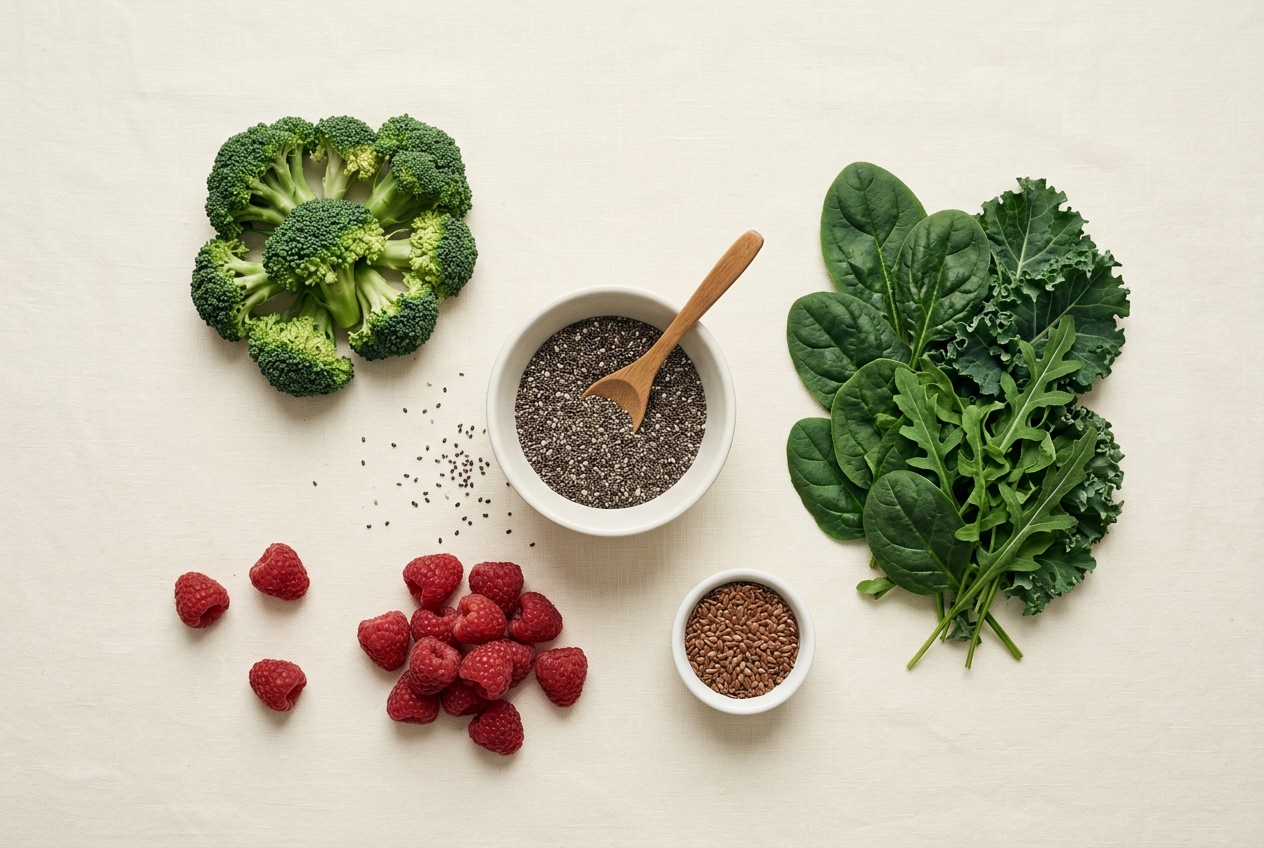
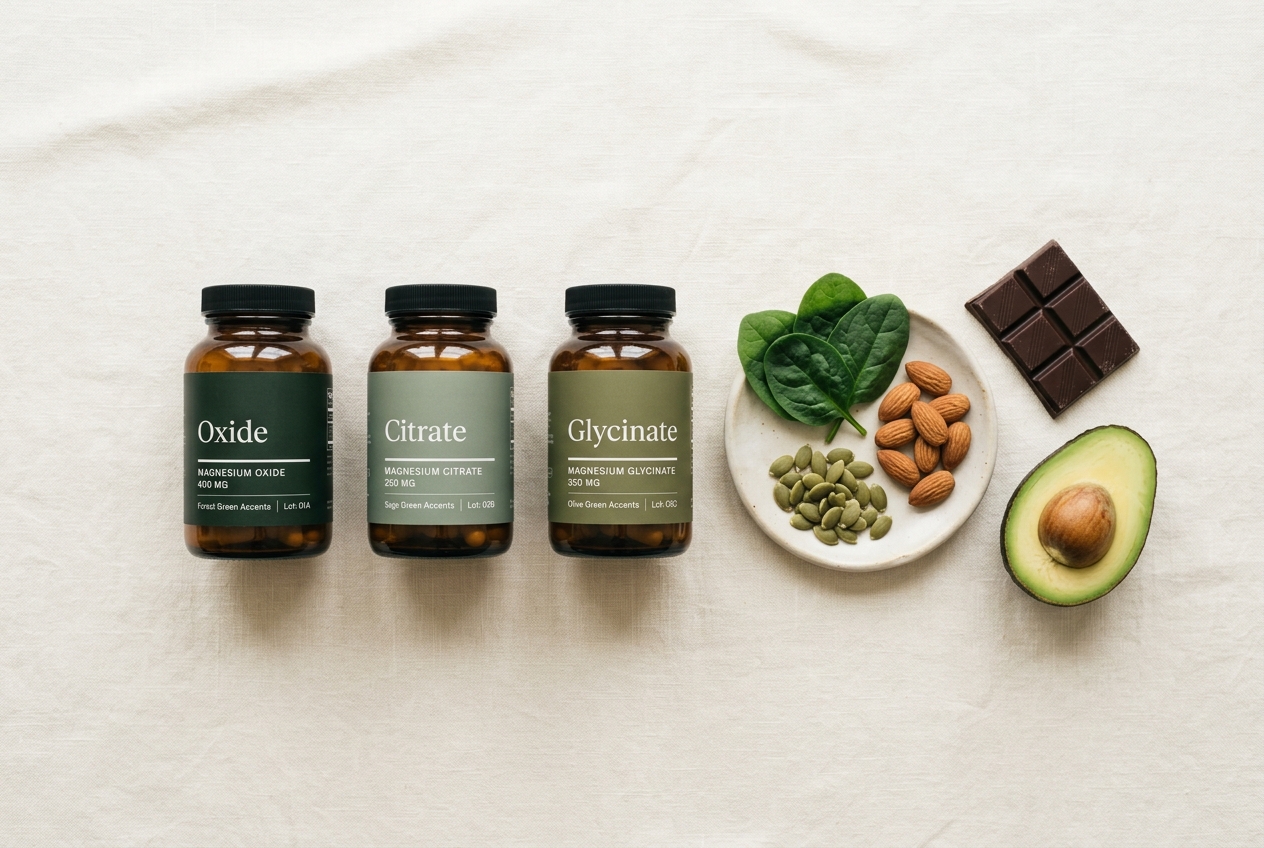
Keto is inherently higher‑fat, but quality still matters: emphasize unsaturated fats like olive oil, nuts, seeds, avocado, and fatty fish, and use saturated‑fat‑heavy choices such as butter, cream, and fatty processed meats as accents rather than the entire plan. If your keto diet meal plan becomes a daily parade of bacon and cheese with minimal vegetables, it may hit carb targets while missing the bigger nutrition picture. Fiber and minerals are the quiet make‑or‑break variables. When carbs fall, many people accidentally eliminate their primary fiber sources, and that's when constipation, low energy, and I don't feel good on keto narratives start. In the U.S., the Daily Value for dietary fiber is 28 grams per day, and you can get surprisingly close even on low carb when you choose the right plants: chia or ground flax in yogurt, a big serving of broccoli or Brussels sprouts, raspberries in modest portions, and psyllium if needed. Sodium, potassium, magnesium, and calcium also deserve attention because low‑carb eating tends to lower water retention, which changes how you feel during the first week. For reference using current U.S. Nutrition Facts Daily Values: sodium is 2,300 mg per day, potassium is 4,700 mg per day, magnesium is 420 mg per day, and calcium is 1,300 mg per day. In practical terms, that looks like salting food to taste, especially early on, building potassium with avocado, spinach, mushrooms, and salmon, covering magnesium with pumpkin seeds, almonds, and leafy greens, and getting calcium from dairy or calcium‑set tofu and certain canned fish.

Chia seeds, broccoli, raspberries, and leafy greens deliver fiber without breaking your carb ceiling.

Building Your Template

Low-Carb Day

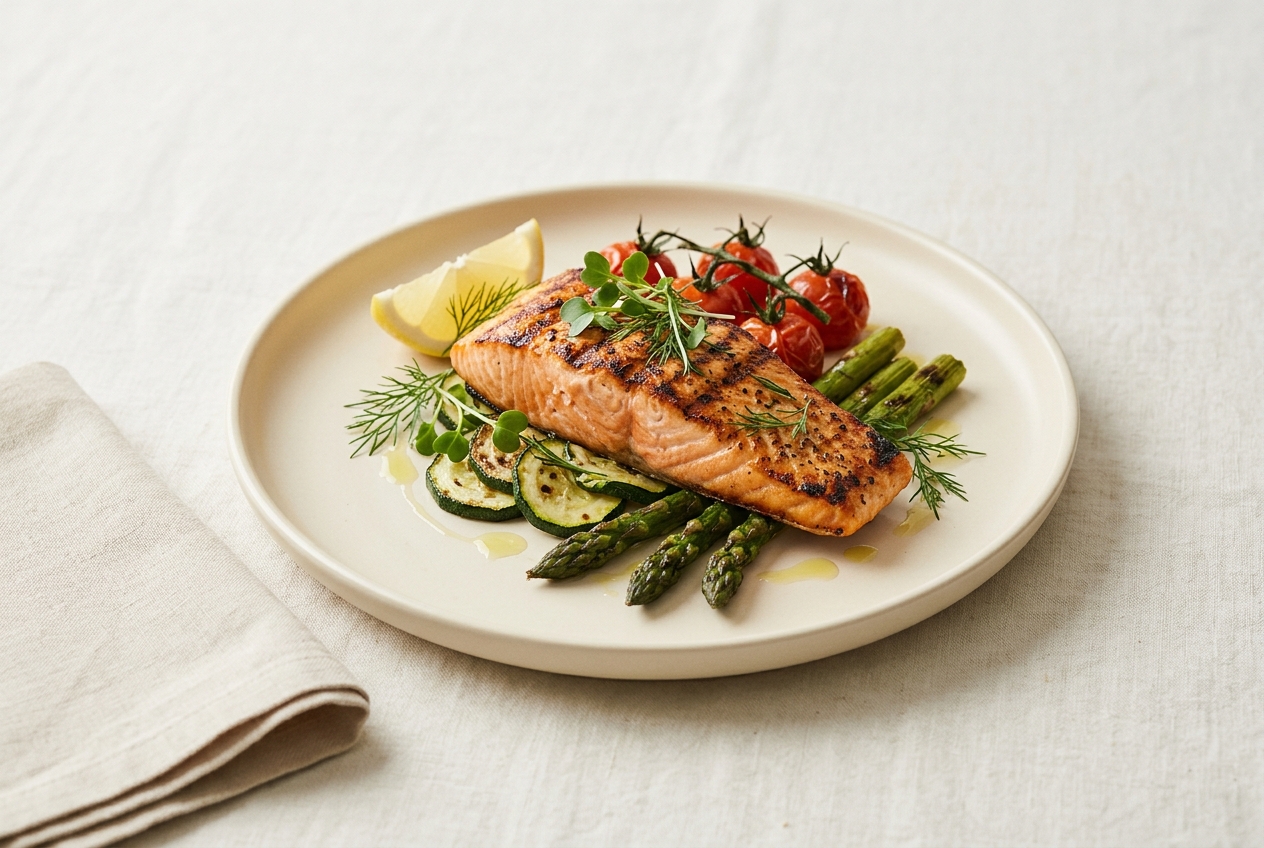
If you want a template you can immediately visualize, use a protein plus plant plus fat structure for each meal, and then choose whether you're doing low‑carb or keto by how much carbohydrate you allow from fruit, dairy, beans, and higher‑carb vegetables. A low carb diet sample menu for one day that fits many people: breakfast is a vegetable omelet with spinach and mushrooms cooked in olive oil with a side of berries; lunch is a big salad with grilled chicken or tofu, olive oil and vinegar dressing, walnuts, and sliced avocado; snack if needed is plain Greek yogurt with chia and cinnamon; dinner is salmon with roasted broccoli and a side of cauliflower rice, plus a small portion of lentils if you're aiming for a moderate low‑carb level.

Keto Day

A keto diet meal plan looks similar but tightens the carbohydrate sources and often increases added fats to keep meals satisfying. One practical day: breakfast is scrambled eggs with sautéed spinach and feta; lunch is a tuna salad with tuna, mayonnaise or olive‑oil‑based dressing, and celery wrapped in romaine leaves with a side of cucumber; snack is a handful of macadamias or a cheese stick; dinner is chicken thighs with a creamy mushroom sauce over zucchini noodles, plus a side salad. Notice what's missing: bread substitutes and keto desserts aren't required. They can be useful occasionally, but leaning on them daily often keeps cravings alive and makes it harder to read your appetite cues.

Prep Strategy

The big determinant of success is rarely motivation—it's whether you can execute your plan when time is tight. A workable sequence for most households: pick your carb ceiling and stick to it for a full week; build a short list of repeatable meals with two breakfasts, two lunches, and three dinners you genuinely like, each with a clear protein anchor and at least one vegetable; prep components like two proteins, washed and chopped vegetables, and one versatile sauce or dressing; create an emergency option such as rotisserie chicken with bagged salad, eggs and frozen spinach, or canned salmon mixed with avocado and mustard. You'll notice that none of this requires perfect tracking.

Practical Protocol

Four-Step Meal Prep Workflow

Keto diet meal plan prep is less about fancy recipes and more about reducing friction. Follow this sequence to make execution automatic.

  1. Pick Your Carb Ceiling

    Decide whether you're aiming for general low‑carb or a keto target; many people choose the under 50 grams per day starting point for keto, and don't change the rule midweek.

  2. Build Repeatable Meals

    Choose two breakfasts, two lunches, and three dinners you genuinely like, each with a clear protein anchor and at least one vegetable.

  3. Prep Components

    Cook two proteins like sheet‑pan chicken and browned ground turkey, wash and chop a few vegetables, and prepare one versatile sauce or dressing.

  4. Create an Emergency Option

    Keep a fast meal available that matches your approach: rotisserie chicken with bagged salad, eggs and frozen spinach, or canned salmon mixed with avocado and mustard.

None of this requires perfect tracking; treat it as a learning tool for two weeks, then decide what level of monitoring is sustainable.

Who Thrives on Which Approach

Key Minerals on Low-Carb

U.S. Nutrition Facts Daily Values and practical low-carb sources for minerals that deserve attention

Nutrient Recommended Daily Allowance Primary Food Sources
Sodium 2,300 mg/day Salt food to taste
Potassium 4,700 mg/day Avocado, spinach, mushrooms, salmon
Magnesium 420 mg/day Pumpkin seeds, almonds, leafy greens
Calcium 1,300 mg/day Dairy, calcium-set tofu, canned fish
Fiber 28 g/day Chia, flax, broccoli, raspberries

Low‑carb eating tends to lower water retention, which changes how you feel during the first week; these targets help stabilize energy and digestion.

Weekly Audit Checklist

Run this simple internal audit before you blame your willpower. If you answer no to any item, fix that variable first.

  • Are you eating a protein anchor at each meal?
  • Are at least two meals per day built around non‑starchy vegetables?
  • Do you have one high‑fiber add‑in daily like chia, flax, raspberries, or cruciferous vegetables?
  • Are you salting food to taste and including potassium‑rich choices like avocado or leafy greens?
  • Do you have a prepared fallback meal so you don't end up hungry and improvising?
  • Is your carb ceiling consistent, or do you change the rule midweek?

Fixing one or two of these variables often solves the I don't feel good problem faster than switching your entire approach.

mm

Dr. Sarah Mitchell

Nutrition Editor

A registered dietitian and nutrition scientist with over 12 years of clinical experience, Dr. Mitchell specializes in translating complex nutritional research into practical guidance for everyday wellness. She holds a PhD in Nutritional Biochemistry and serves as VitalityHub's senior editor for evidence-based health content.

Get new articles by email

No spam — only new material on this topic.

You can unsubscribe at any time.