Skip to content

Plant-Based and Specialty Diets

mm Marcus Chen 12 min read

The Real Work Behind Diet Labels

Six Core Principles

  • Build meals around a protein anchor first; it is the easiest lever for satiety and muscle maintenance.
  • Plant-based eating is often fiber-rich; increase fiber gradually and drink enough fluids to avoid GI backlash.
  • Vitamin B12 is not optional on a vegan pattern; use fortified foods or a supplement strategy you will actually follow.
  • Pescatarian can be nutritionally easy mode, but seafood choices still require mercury awareness and portion planning.
  • Paleo can improve food quality for some people, but it can also unintentionally cut calcium, legumes, and whole grains.
  • Meal delivery can help adherence, but only if ingredients, portions, and cost match your real week.

Protein as a Daily Budget

Protein is the nutrient most likely to make or break adherence across plant-forward diets—not because plants lack protein, but because many plant meals are naturally lower in protein density per calorie. The adult protein RDA is 0.8 grams per kilogram of body weight per day, which is a baseline for avoiding deficiency, not necessarily a performance target.

Practically, many people feel and function better when protein is spread across the day instead of back-loaded at dinner. Think of protein as a daily budget you allocate in installments: breakfast, lunch, dinner, and one planned snack if needed. A vegan pattern can meet protein needs with beans, lentils, tofu, tempeh, edamame, soy milk, seitan if gluten is fine for you, and protein-forward options like pea protein blends.

The keyword to watch is not complete versus incomplete proteins—it is total intake and variety over the day. When calories are lower, common during fat loss, protein density becomes more important. That is why a vegan weight loss meal plan often works better when at least one meal per day is built around a high-protein staple: tofu scramble, a tempeh-and-veggie stir-fry, a lentil-and-quinoa bowl, or a smoothie that includes a measured protein addition.

A common vegan mistake is confusing healthy with automatically lower calorie. Many vegan foods are energy-dense—nuts, nut butters, oils, coconut products, and many packaged snacks. None of these are bad, but they can silently erase the calorie gap you assumed would appear once animal foods disappeared. A better approach is to keep the pleasure foods, but make them intentional: choose one or two calorie-dense accents per day, not a little bit of everything at every meal.

A practical weekly mix might include: lentils for soups and salads, chickpeas for curries and sheet-pan roasts, tofu for scramble and baked cubes, tempeh crumbled taco-style, edamame as snacks or in stir-fries, and a protein-forward dairy alternative like soy yogurt or soy milk. Seitan is a powerful tool for many vegans because it is very protein-dense, but it is not a required staple, and it will not suit everyone.


Pescatarian and Paleo Considerations

How seafood and elimination patterns shift your planning demands and nutritional pinch points

Adding Seafood to the Mix

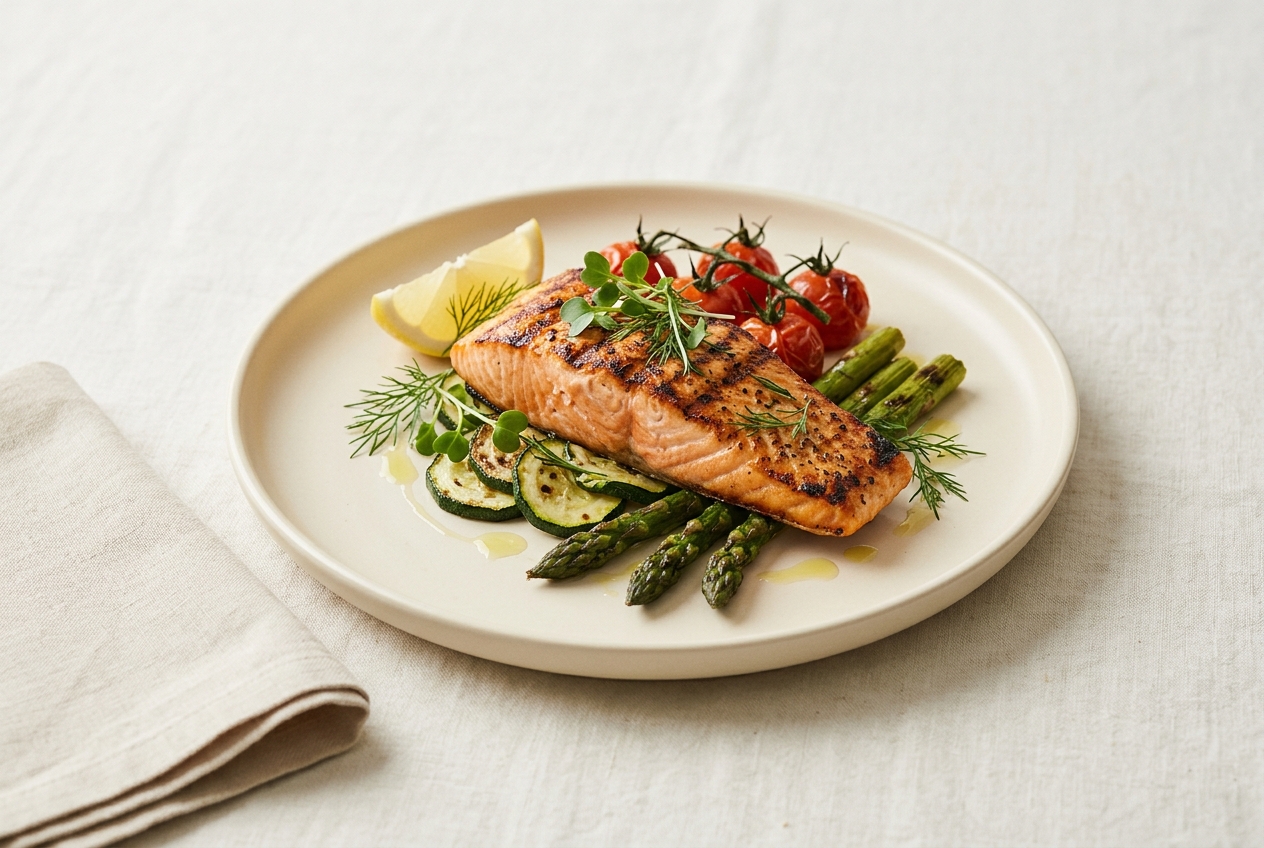
A pescatarian meal plan changes the game by adding seafood as a flexible, high-protein option that also contributes key fats and micronutrients without requiring dairy or red meat. From a U.S. public health perspective, a widely cited benchmark is 8 ounces of seafood per week for adults in the Dietary Guidelines for Americans, often framed as about two servings weekly, depending on portion size. That number is not magical, but it is a useful target for planning: it is enough to matter, small enough to be realistic, and easy to schedule—for example, salmon on Tuesday, sardines or shrimp on Friday. The trade-off is that seafood is not a single food group; it is a category with different mercury profiles and sustainability considerations. If you are pregnant or planning pregnancy, or if you are feeding kids, it is worth being more selective and consistent rather than chasing novelty. Pescatarian can reduce planning friction because fish is protein-dense and nutritionally complete, but it adds decision-making around seafood type and frequency.

A pescatarian meal plan adds seafood as a flexible, high-protein option that also contributes key fats and micronutrients without requiring dairy or red meat.

Three Dietary Patterns Compared

Vegan Planning

A vegan pattern can meet protein needs with beans, lentils, tofu, tempeh, edamame, soy milk, seitan if gluten is fine for you, and protein-forward options like pea protein blends. The keyword to watch is not complete versus incomplete proteins—it is total intake and variety over the day. Vegan eating is often fiber-rich; increase fiber gradually and drink enough fluids to avoid GI backlash. Vitamin B12 is not optional on a vegan pattern; use fortified foods or a supplement strategy you will actually follow. Many vegan foods are energy-dense—nuts, nut butters, oils, coconut products, and many packaged snacks. A better approach is to keep the pleasure foods, but make them intentional.

Pescatarian Ease

A pescatarian meal plan changes the game by adding seafood as a flexible, high-protein option that also contributes key fats and micronutrients without requiring dairy or red meat. From a U.S. public health perspective, a widely cited benchmark is 8 ounces of seafood per week for adults. Pescatarian can reduce planning friction because fish is protein-dense and nutritionally complete, but it adds decision-making around seafood type and frequency. The trade-off is that seafood is not a single food group; it is a category with different mercury profiles and sustainability considerations. If you are pregnant or feeding kids, it is worth being more selective.

Paleo Trade-offs

A paleo meal plan is often described as whole foods, no modern processed foods, but in practice it usually means a stricter set of exclusions: grains, legumes, most dairy, and refined sugars, with meals built from meat, fish, eggs, vegetables, fruit, nuts, and seeds. People who thrive on paleo often benefit from its simplicity and the forced reduction of ultra-processed snacks. The nutritional pinch points tend to be fiber if vegetables are not abundant, calcium if dairy is excluded without a replacement plan, and sometimes cost, because protein and produce dominate the cart. If you are drawn to paleo for GI comfort or energy stability, plan replacement foods instead of just deleting categories.

Micronutrients and Friction Points

The handful of vitamins and minerals that quietly diverge depending on your pattern

Key Micronutrients to Watch

Micronutrients are where specialty diets quietly diverge. Rather than memorizing every vitamin, focus on the handful that reliably show up as limiting nutrients depending on your pattern. For generally healthy adults, these reference points are commonly used in planning. Vitamin B12: 2.4 micrograms per day; reliable sources include fortified plant milks, fortified cereals, and nutritional yeast made with added B12.

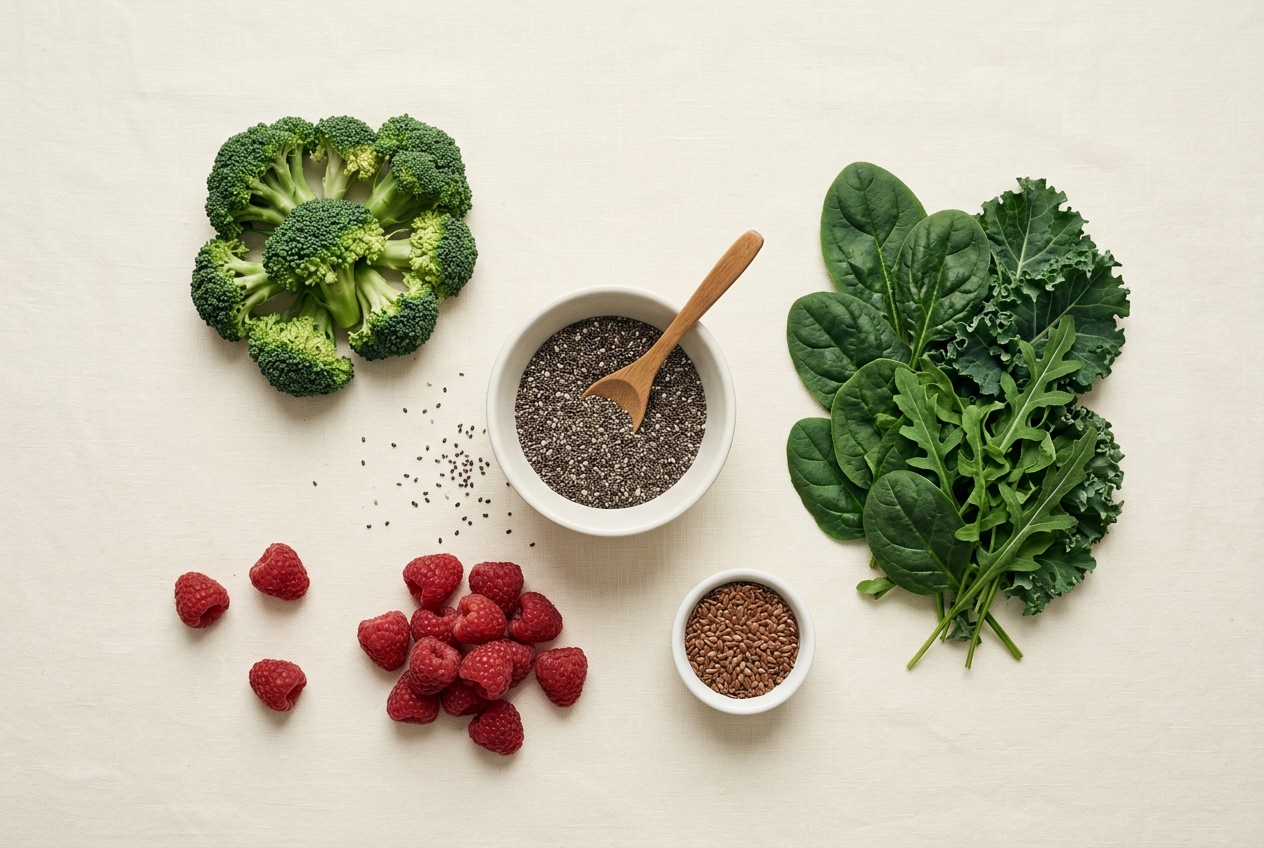
Vitamin D: 600 IU or 15 micrograms per day for many adults; sources include fortified plant milks, fortified juices, and UV-exposed mushrooms, though many people need a consistent strategy beyond food. Calcium: 1,000 milligrams per day for adults 19–50; sources include fortified plant milks, calcium-set tofu, chia seeds, and certain leafy greens.

Iron: 8 milligrams per day for men 19–50 and 18 milligrams per day for women 19–50; sources include lentils, beans, tofu, pumpkin seeds, and iron-fortified cereals. Pair with vitamin C-rich foods to improve absorption. Iodine: 150 micrograms per day; sources include iodized salt and measured use of seaweed products, which can vary widely in iodine content.

Specialty diets also change your friction points. Vegan eating can be nutritionally excellent, but it increases planning demands around B12 and sometimes iron, iodine, vitamin D, and long-chain omega-3 intake. Pescatarian can reduce planning friction because fish is protein-dense and nutritionally complete, but it adds decision-making around seafood type and frequency.

Paleo reduces decision fatigue by eliminating many packaged foods, but it can increase shopping time and cost, and it can inadvertently reduce calcium and whole-grain fiber unless you actively replace them. The most reliable way to keep any specialty diet from drifting off-course is a repeatable meal architecture.

Micronutrient Reference Points

Commonly used planning benchmarks for generally healthy adults on specialty diets

Nutrient Recommended Daily Allowance Primary Food Sources
Vitamin B12 2.4 mcg/day Fortified plant milks, nutritional yeast
Vitamin D 600 IU/day Fortified plant milks, UV mushrooms
Calcium 1,000 mg/day Fortified plant milks, calcium-set tofu
Iron 8–18 mg/day Lentils, beans, fortified cereals
Iodine 150 mcg/day Iodized salt, measured seaweed

Adults 19–50; women need higher iron. Pair plant iron with vitamin C for better absorption.

A Five-Stage Meal Architecture

Meal Delivery for Specialty Diets

How the best services in 2026 support vegan, pescatarian, and paleo patterns with convenience

Evaluating Meal Delivery Services

Meal delivery is often pitched as nutrition, but the real benefit is logistics: fewer decisions, fewer grocery runs, fewer nights where dinner becomes a negotiation with your exhaustion. If you are comparing the best meal delivery services, judge them on the same criteria you would use to judge your own cooking: dietary fit, ingredient transparency, portion adequacy, vegetable quality, sodium and saturated fat patterns, and whether the food is something you can eat week after week. A clear ranking helps, but the right best depends on what you need most. Based on the services publicly stated diet options and current pricing structure, here is a practical shortlist for U.S. customers who want plant-forward and specialty-diet support in 2026. Best overall for specialty-diet flexibility: Sunbasket. It is a strong pick for households that need to switch between patterns—paleo one week, pescatarian the next, vegetarian on busy weeks—and for people who want the option of meal kits or heat-and-eat formats. As of 2026 updates, Sunbasket states meals start at $9.99 per serving, and it markets specific plans including Paleo and Pescatarian. Strengths: breadth of diet filters and a choose your effort level approach. Weaknesses: as with many services, cross-contamination can be an issue for severe allergies, and gluten-free friendly is not the same as certified gluten-free.

mm

Marcus Chen

Nutrition Writer

An investigative health journalist who critically evaluates dietary supplements and wellness trends through rigorous research and expert interviews. Marcus brings a decade of experience covering the intersection of science, nutrition policy, and consumer health for leading publications.

Get new articles by email

No spam — only new material on this topic.

You can unsubscribe at any time.