Think in stages rather than permanent restriction. First, pick your non-negotiables: symptoms you want to calm, foods you refuse to give up, budget, and time. Second, run a short, structured quiet gut phase if needed. Many low-FODMAP protocols use a strict phase lasting about two to six weeks.
Third, keep meals boring on purpose for a bit. Repetition makes patterns obvious. If you eat the same breakfast and lunch for a week, you'll know quickly whether dinner is the culprit or whether your baseline is shifting. Fourth, reintroduce methodically rather than randomly. A common approach is one challenge food at a time, with careful portion steps.
Fifth, land on a personalized maintenance style so you're not eating like this forever. That last step is where long-term success lives. A low-FODMAP approach is designed to help you identify triggers and thresholds, then broaden your diet. Staying overly restricted for too long can make it harder to meet fiber goals, diversify your plant intake, and enjoy normal social eating.
If you want this to feel doable, you need reliable meal templates and a few go-to combinations that don't require advanced cooking skills. Breakfast might be overnight oats made with certified gluten-free oats, lactose-free milk, chia seeds, blueberries, and cinnamon, with a scoop of peanut butter for staying power.
Lunch could be a quinoa bowl with grilled chicken or firm tofu, baby spinach, cucumber, shredded carrots, and a lemon–olive oil dressing. If you tolerate it, add a small serving of canned, well-rinsed lentils; if not, keep it simple and boost calories with olive oil and a handful of walnuts.
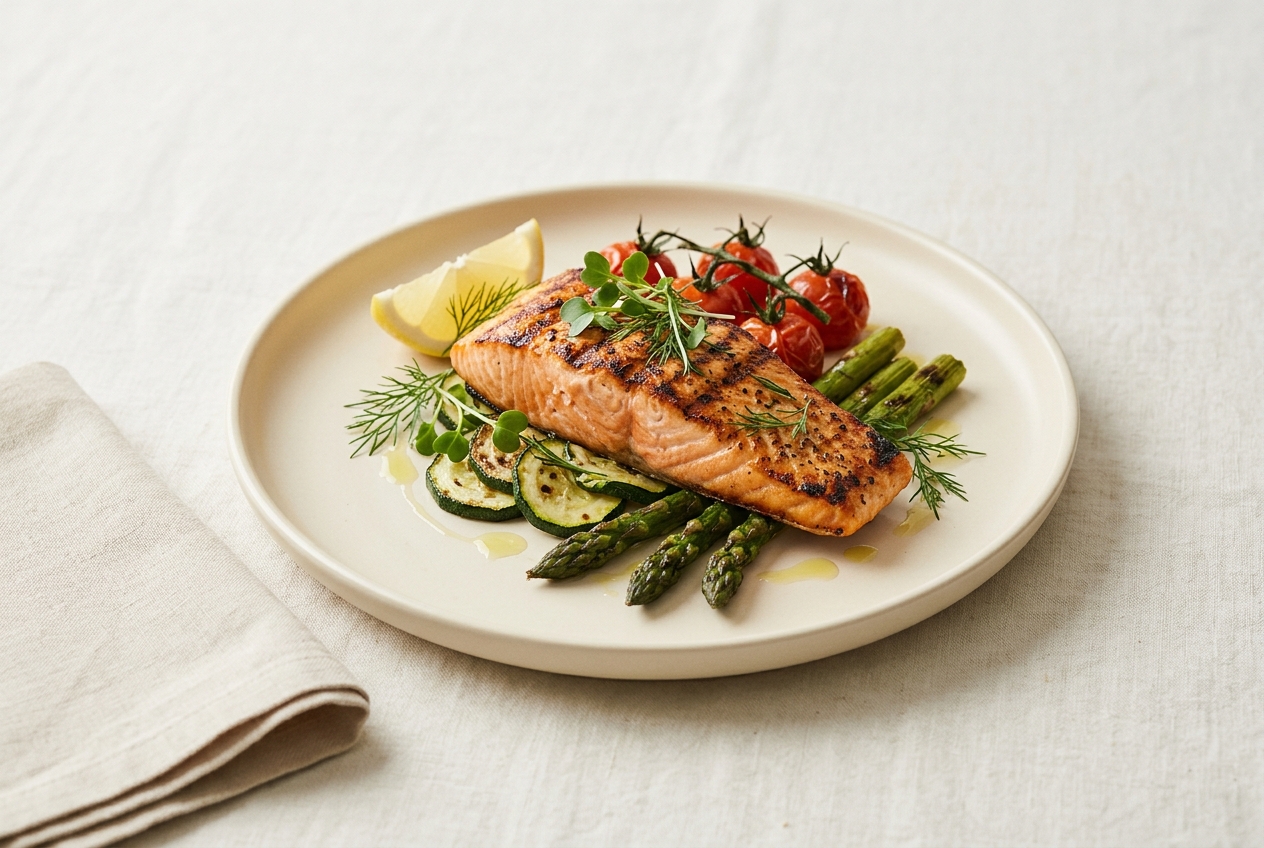
Snack options include lactose-free yogurt with kiwi and pumpkin seeds, or two rice cakes with natural peanut butter. Dinner might be salmon or tempeh with roasted potatoes and zucchini, finished with garlic-infused oil, salt, pepper, and fresh herbs. If you want a sauce, whisk lactose-free yogurt with lemon juice, dill, and chives.
Notice what's missing: mystery sauces, healthy bars with long ingredient lists, and hidden fibers that can backfire. When you're trying to calm digestion, ingredient transparency beats perfection.