Skip to content

Anti-Inflammatory Eating Plans

mm Dr. Sarah Mitchell 10 min read

Core Principles for Sustainable Change

Essential Strategies at a Glance

  • Prioritize plant volume and variety—vegetables, fruit, beans, lentils, nuts, seeds, whole grains, herbs, spices, tea, and coffee deliver fiber and bioactive compounds.
  • Shift fat quality toward extra-virgin olive oil, nuts, seeds, avocado, and fatty fish, away from saturated-fat-heavy processed meats and fried foods.
  • Crowd out added sugars and refined starches that spike post-meal glucose and triglycerides, especially when portions are large and fiber is low.
  • Manage sodium intake deliberately—Americans consume more than 3,300 mg daily on average; moving toward DASH diet targets can be meaningful.
  • Build repeatable meal templates with a high-fiber base, a protein anchor, and a fat-and-flavor layer for consistency without decision fatigue.
  • Focus on adherence over perfection—an 80% consistent pattern built on plants, olive oil, beans, and fish outperforms short-lived, overly strict plans.

Three Levers for Every Meal

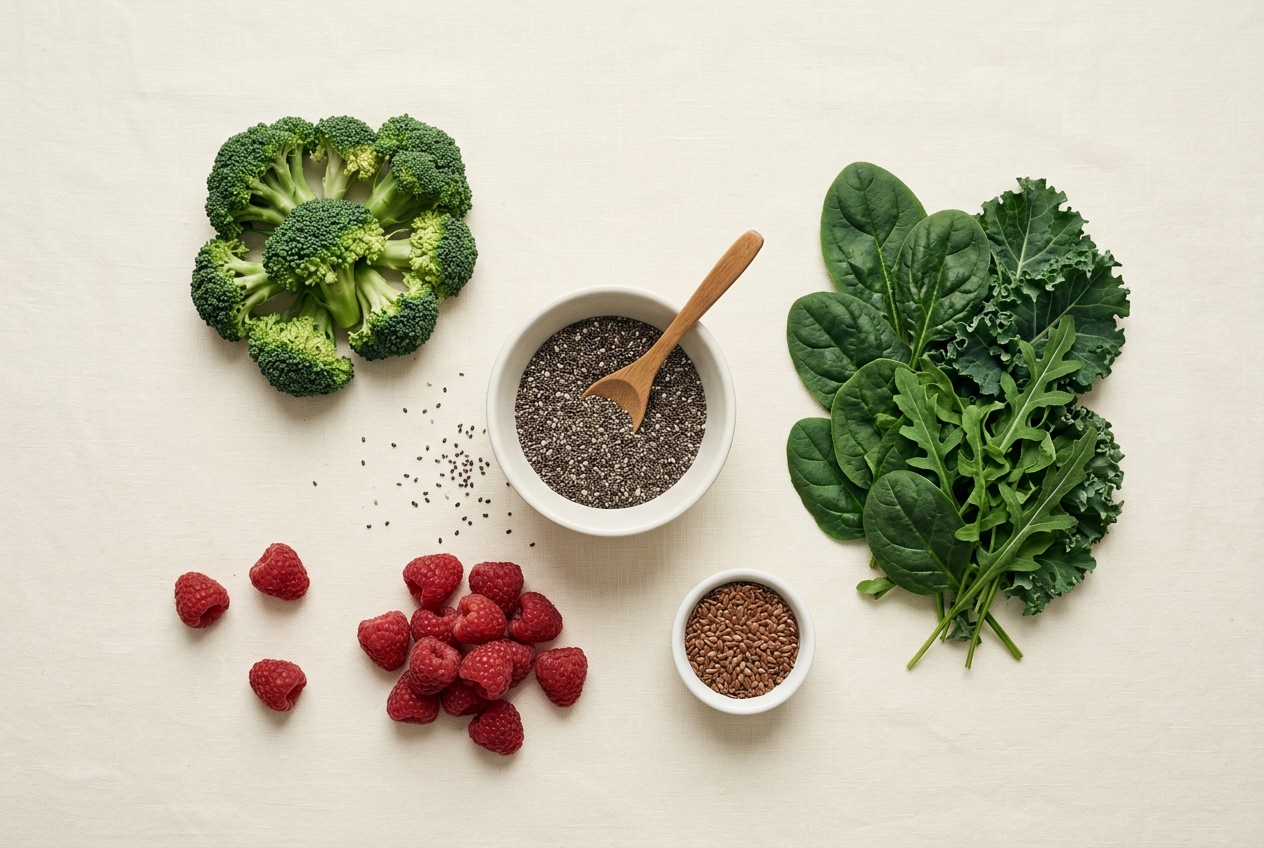
The most useful way to think about anti-inflammatory eating is as a set of levers you can pull at every meal. First lever: plant volume and variety. Vegetables, fruit, beans, lentils, nuts, seeds, whole grains, herbs, spices, tea, and coffee deliver fiber and thousands of bioactive compounds—polyphenols, carotenoids, organosulfur compounds—that appear to support healthier endothelial function, gut barrier integrity, and microbial diversity.

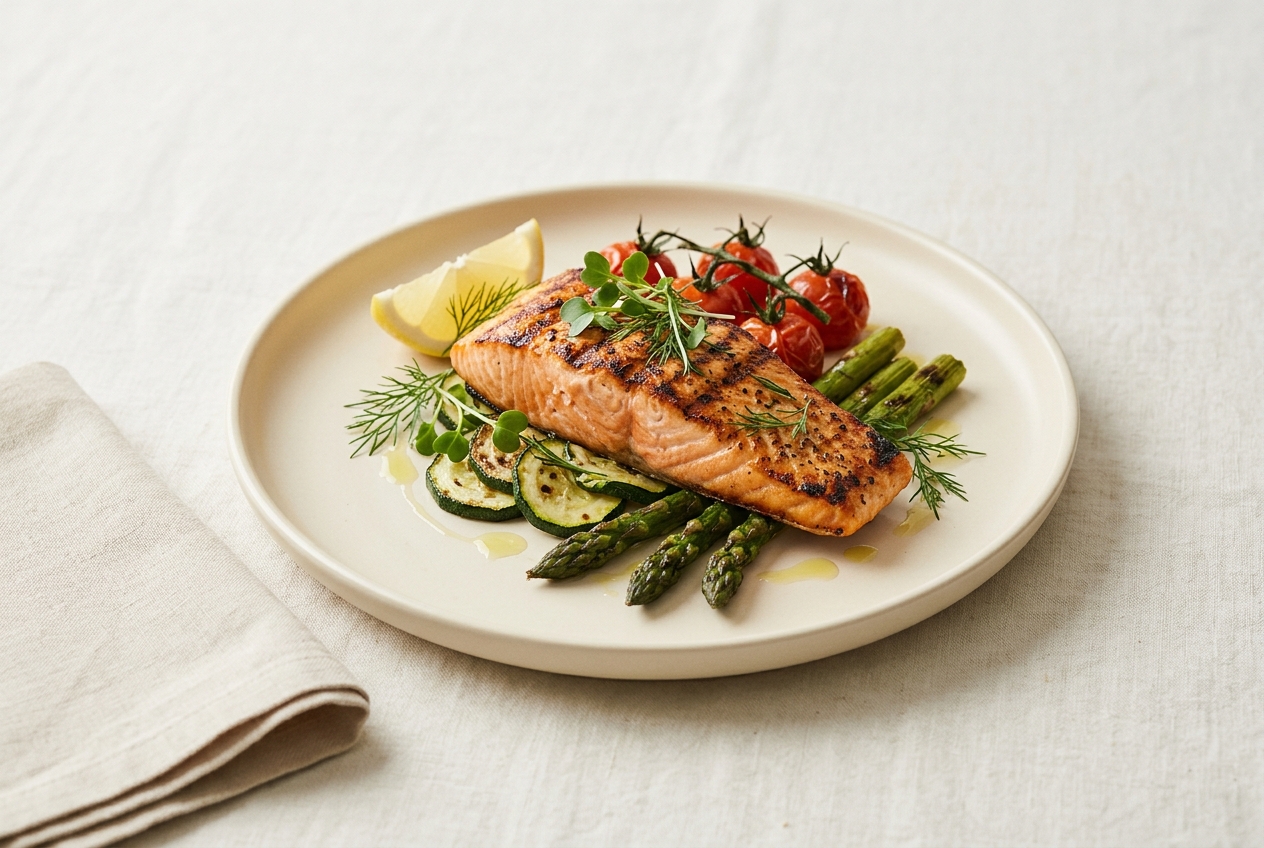
Second lever: fat quality. Extra-virgin olive oil, nuts, seeds, avocado, and fatty fish shift the fat profile toward unsaturated fats and away from the saturated-fat-heavy patterns that often accompany processed meats, fried fast food, and many packaged snacks. The American Heart Association continues to recommend eating fish—especially fatty fish—at least twice per week, a practical target that fits neatly inside anti-inflammatory meal planning.

The third lever is what you crowd out. Added sugars and refined starches can spike post-meal glucose and triglycerides in ways that may amplify oxidative stress, especially when portions are large and fiber is low. Excess sodium is another quiet driver—not because sodium is inflammatory in a simplistic sense, but because high-sodium patterns are strongly associated with higher blood pressure and typically come packaged with ultra-processed foods.

As of mid-2026, U.S. public health sources still note that Americans consume more than 3,300 mg of sodium per day on average. That number matters because it frames what realistic improvement looks like: even moving from 3,300 mg toward the DASH diet sodium ceiling can be meaningful.

Evidence-Based Frameworks That Work

DASH and Mediterranean patterns offer practical, sustainable structures for reducing inflammatory burden

DASH Diet as a Clean Starting Point

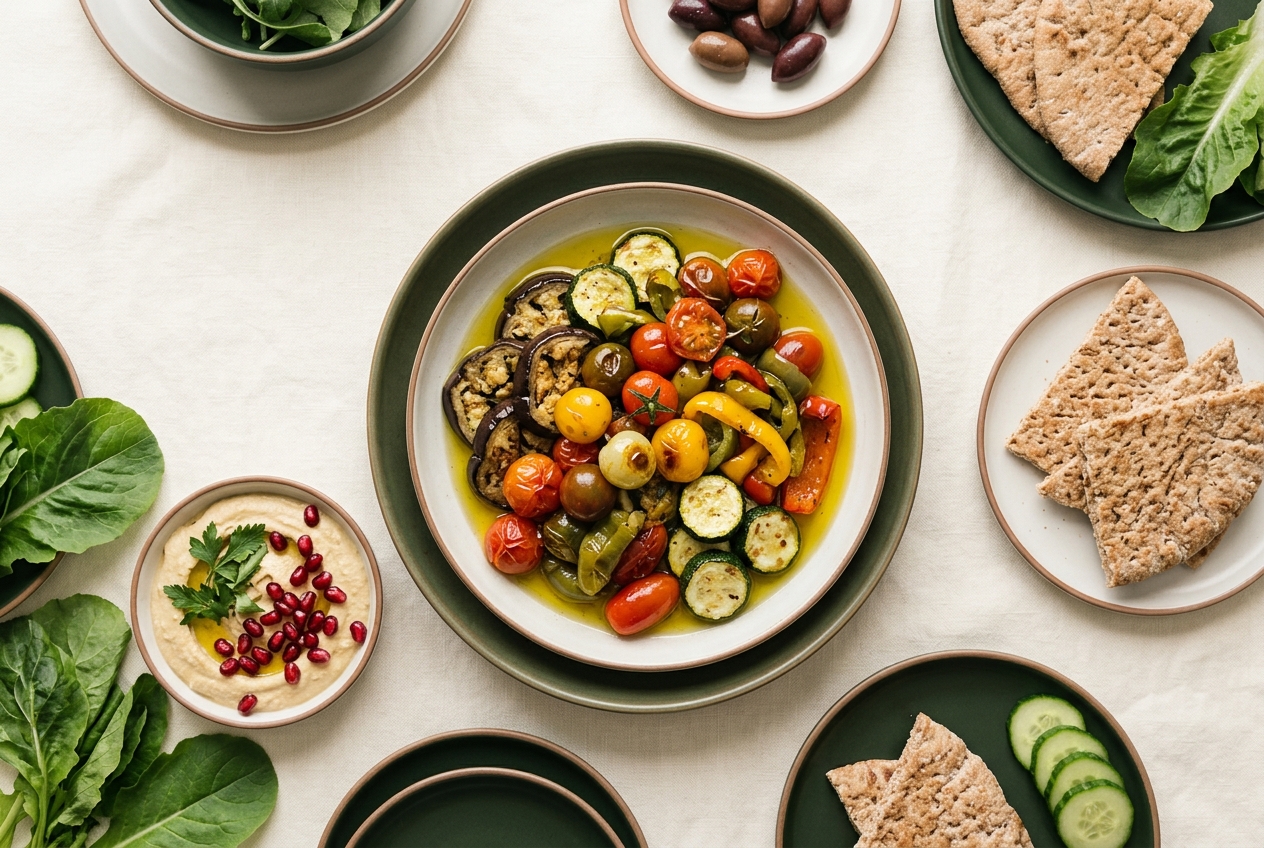
If you want a named framework that is both evidence-based and practical, the DASH diet is one of the cleanest starting points. DASH stands for Dietary Approaches to Stop Hypertension, and it is built around vegetables, fruit, whole grains, beans, nuts, and lower-fat dairy, with modest amounts of lean meats and a strong emphasis on limiting sodium. The National Heart, Lung, and Blood Institute DASH guidance commonly references a sodium limit of 2,300 mg per day, with 1,500 mg per day lowering blood pressure even further for people who choose that more intensive target. A DASH-style plan is naturally anti-inflammatory in the sense that it raises potassium, magnesium, calcium, and fiber while reducing a common cluster of inflammatory drivers: excess sodium, low produce intake, and low whole-food density. A Mediterranean-style pattern is another reliable option, especially if you prefer olive oil-forward cooking and seafood more than dairy. While people often summarize Mediterranean eating as anti-inflammatory, what is most convincing is that it reliably improves multiple cardiometabolic risk markers and tends to be easier to sustain than rigid elimination approaches. In the real world, adherence beats perfection: an 80% consistent pattern built on plants, olive oil, beans, and fish will almost always outperform a short-lived, overly strict plan.

Mediterranean and DASH patterns prioritize whole foods, healthy fats, and abundant produce to support healthier inflammatory balance over time.

Building Your Meal Structure

High-Fiber Base

Before getting tactical, it helps to set a small number of non-negotiables that turn into repeatable meals. A simple structure I use with busy professionals is: a high-fiber base—vegetables, beans, or whole grains. That might look like a grain-and-greens bowl with salmon and olive-oil vinaigrette, or a bean chili with avocado and a side salad, or Greek yogurt with berries, walnuts, and cinnamon. Once your meals fit a stable template, your body gets more of the nutrients that support healthier inflammatory balance without you needing to track every gram.

Protein Anchor

Choose your protein anchor intentionally. Rotate beans and lentils, eggs, yogurt or kefir, poultry, and fish; canned salmon or sardines can be both budget-friendly and shelf-stable. The American Heart Association continues to recommend eating fish—especially fatty fish—at least twice per week, a practical target that fits neatly inside anti-inflammatory meal planning. Plain proteins support satiety and help you avoid the afternoon vending-machine spiral that often derails otherwise solid eating patterns.

Fat-and-Flavor Layer

The final layer is where fat and flavor come together. Extra-virgin olive oil, walnuts, chia or flax seeds, and natural nut butter shift the fat profile toward unsaturated fats and away from the saturated-fat-heavy patterns that often accompany processed meats, fried fast food, and many packaged snacks. Using acid—lemon, vinegar—aromatics like garlic and onions, and spices such as turmeric, cumin, and smoked paprika helps your food taste satisfying even as you rely less on packaged flavor boosters.

Five-Stage Meal Planning Process

A realistic workflow for building your own plan without turning meal planning into a second job

From Planning to Execution

Here is a realistic, five-stage process for building your own plan without turning meal planning into a second job. First, choose your default breakfasts for weekdays—two or three options you can rotate. Options that tend to perform well: overnight oats with chia seeds and berries; a veggie omelet with a side of fruit; plain Greek yogurt topped with walnuts and frozen blueberries; or a tofu scramble with spinach, mushrooms, and salsa.

Second, pick two lunch formats you actually enjoy—for example, salads that do not feel like punishment, and a reheatable soup or stew. Lunches can be built from leftovers on purpose: roast a sheet pan of vegetables and a protein on Sunday, then turn it into grain bowls, salads, or wraps through midweek. The common thread is not the cuisine; it is the ingredient quality and the ratio of plants to refined starch.

Third, choose three dinners you can execute in 30–40 minutes, then repeat them weekly with small variations. Dinners do not need to be elaborate—think lentil soup with a big salad, baked salmon with roasted broccoli and quinoa, chicken and vegetable stir-fry over brown rice, or a chickpea-and-vegetable curry. Once you have these three reliable dinners, you protect yourself from the hard-day default to takeout.

Fourth, build one snack strategy that protects you from the 3 p.m. vending-machine spiral—usually a protein plus fiber combination. Fifth, do grocery shopping once per week with a short, prewritten list that matches your defaults; then add one bonus recipe if you have the time and interest. When the fridge is stocked with components, your anti-inflammatory meal plan becomes an environment, not a willpower contest.

Smart Grocery Shopping

Budget-Friendly Staples

  • Frozen vegetables harvested at peak ripeness
  • Dried beans and lentils for cost-per-serving value
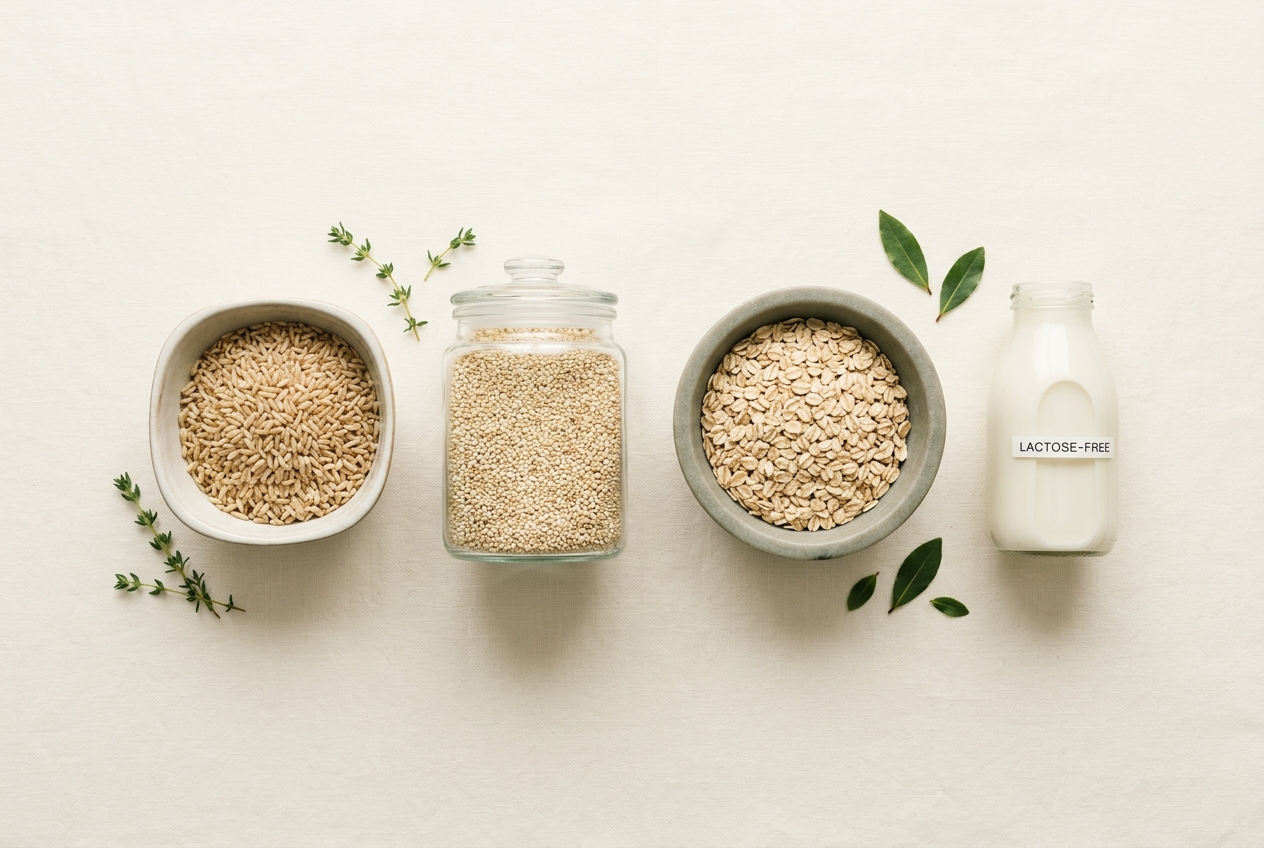
  • Plain oats and brown rice as workhorses
  • Canned tomatoes and canned fish for convenience
  • Bagged greens that reduce waste
  • Extra-virgin olive oil you enjoy using
  • Proteins you can cook without stress
  • Whole-grain breads with short ingredient lists

Common Mistakes to Avoid

Honest guardrails keep the plan genuinely health-supportive instead of just healthy-sounding

Reality Checks

A few guardrails keep the plan genuinely health-supportive instead of just healthy-sounding. Fiber is a big one: the National Academies adequate intake level is commonly stated as 25 g per day for adult women and 38 g per day for adult men, with slightly lower targets after age 50. If you are far below that, increase gradually and drink more water to keep digestion comfortable.

Added sugars are another reality check: the American Heart Association commonly cited upper limits are about 25 g per day for women and 36 g per day for men. You do not need to eliminate sugar completely to eat in an anti-inflammatory way, but these numbers are a helpful reality check—many sweetened coffees, healthy granolas, and flavored yogurts can push you over the line before lunch.

It is also worth being honest about common mistakes. One is assuming gluten-free or plant-based automatically means anti-inflammatory; plenty of gluten-free packaged foods are still refined and high in added sugars, and plenty of plant-based products are still ultra-processed. Another is under-eating protein and then relying on snacks to compensate.

A third mistake is going too low-sodium too fast without a plan for flavor, which often backfires. And finally, many people focus so hard on what they are avoiding that they forget the simplest anti-inflammatory upgrade: adding two more cups of vegetables across the day and one more serving of beans or lentils several times per week.

Special situations deserve nuance. If you are vegetarian or vegan, anti-inflammatory eating can be exceptionally strong—if you emphasize beans, lentils, soy foods, nuts, seeds, and a wide range of produce, and you do not let refined snacks become the backbone of your calories. If you are lactose-intolerant, choose lactose-free dairy or fortified alternatives and keep calcium- and protein-rich foods in the mix.

If you train intensely, carbohydrates are not the enemy; the quality and timing matter more than blanket restriction. And if you are managing a health condition or taking medication that requires dietary consistency—for example, some anticoagulant medicines and vitamin K intake—it is smart to coordinate major changes with your healthcare professional.


Explore more evidence-based nutrition guidance and practical strategies for healthier eating patterns.

mm

Dr. Sarah Mitchell

Nutrition Editor

A registered dietitian and nutrition scientist with over 12 years of clinical experience, Dr. Mitchell specializes in translating complex nutritional research into practical guidance for everyday wellness. She holds a PhD in Nutritional Biochemistry and serves as VitalityHub's senior editor for evidence-based health content.

Get new articles by email

No spam — only new material on this topic.

You can unsubscribe at any time.